

Andrei Rublev
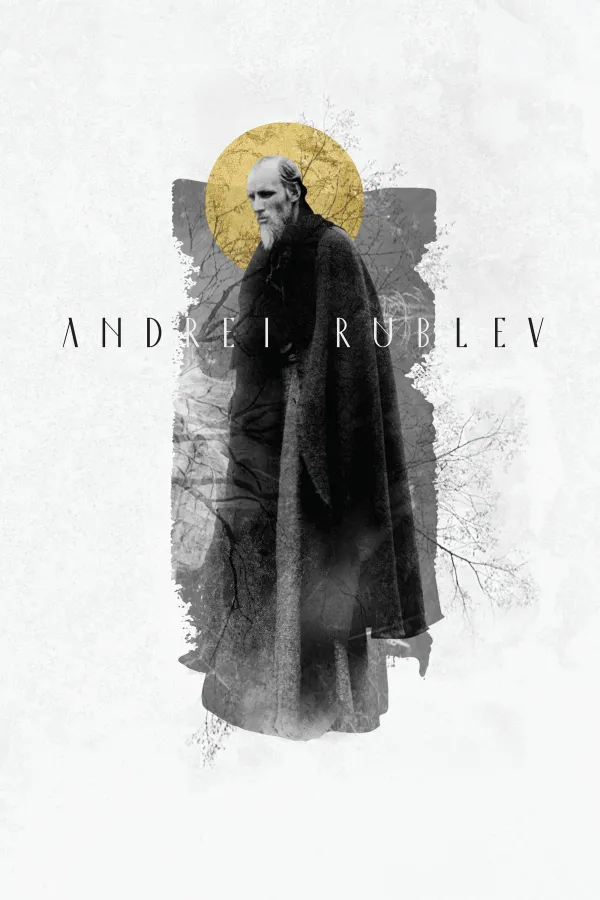
A revered icon painter in 15th-century Russia faces a crisis of faith and art after witnessing brutality, leading to a vow of silence and a slow return to his calling.
Where to watch online
Official services. The link goes straight to this film.
 Darkroom


Availability data by JustWatch
About the film
In much wisdom there is much grief.
What it’s about
In early 15th-century Russia, Andrei Rublev is a revered icon painter. The country is torn by princely feuds, Tatar raids, and famine. After witnessing a brutal battle and becoming unintentionally involved, he takes a vow of silence and withdraws from his work. The film traces his troubled soul as he eases back towards painting.
What hooks you
Directed by Andrei Tarkovsky, the film stars Anatoliy Solonitsyn as Andrei Rublev. It won the FIPRESCI prize at the 1969 Cannes Film Festival, where it was shown semi-legally before reaching Soviet cinemas in December 1971. The director's cut runs 205 minutes, and Solonitsyn remained silent for four months to achieve a hoarse voice for the scene where the vow is broken.
Who it’s for
It is a good pick for those who appreciate slow-burning, contemplative cinema that examines faith, artistic conscience, and the weight of creation in a turbulent era. It will suit viewers drawn to medieval history, Russian culture, and the inner struggles of an artist.
Ratings
MOVIE․ONE · 1,362 votesCreative team
All 9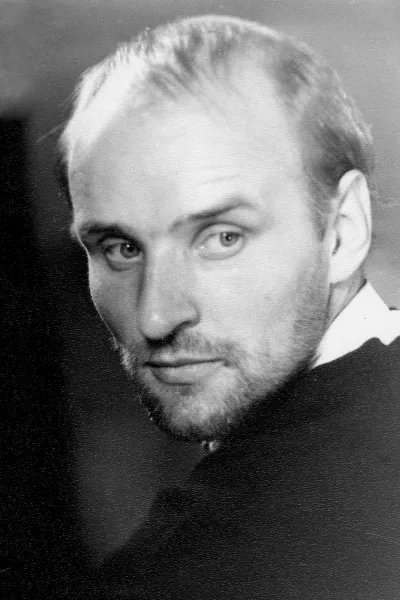
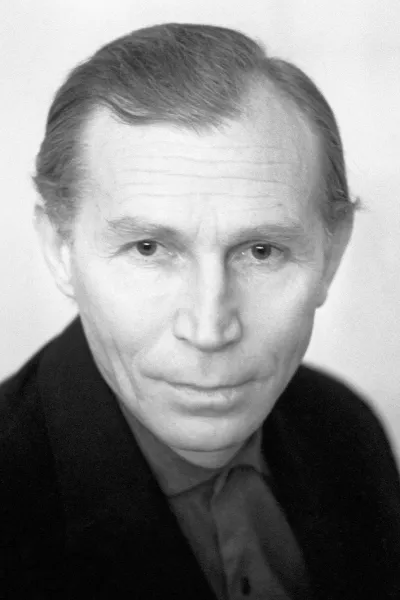
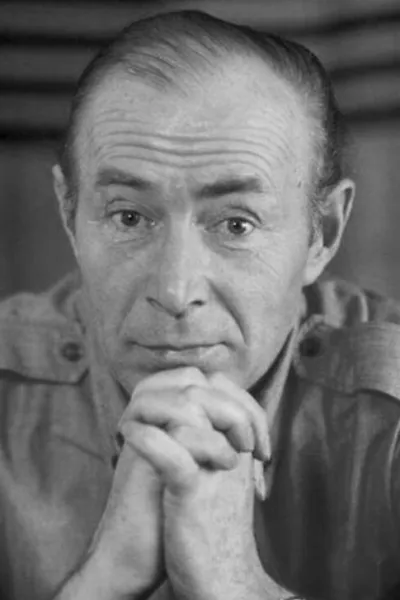
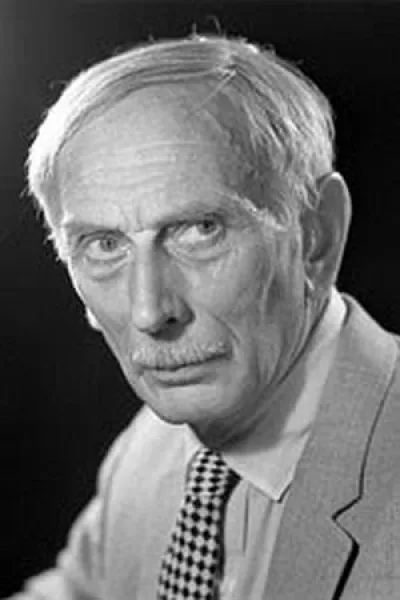
Trivia
All facts 10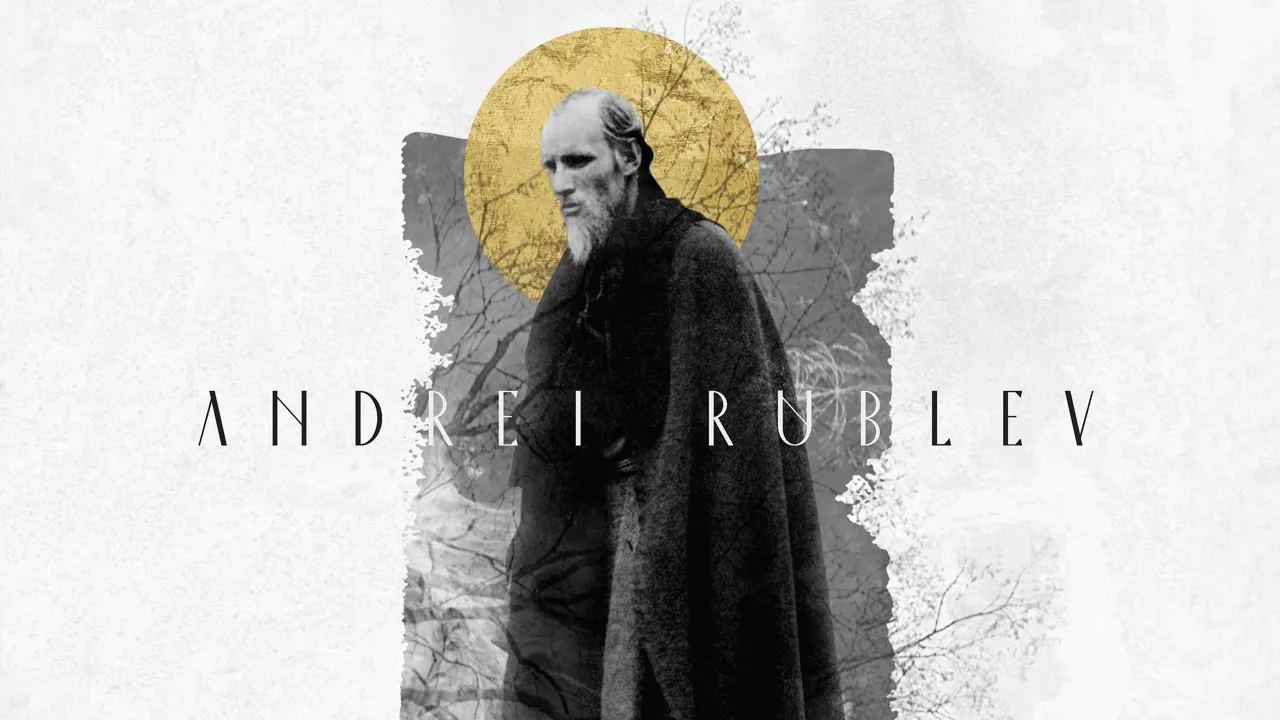
- The film was shown semi-legally in May 1969 at the Cannes Film Festival, and it was only released in Soviet distribution in December 1971.
- The film's original title was "The Passion According to Andrei".
- The director's cut of the film runs 205 minutes.
- The skomorokh's chastushkas, performed by Rolan Bykov, were written by him himself. While preparing for the role, the actor researched the matter and found that authentic chastushkas of that era invariably contain profanity.
- Tarkovsky planned to include in the film a story about the Battle of Kulikovo with large-scale battle scenes, but due to budget problems he was forced to abandon this idea.
- Anatoly Solonitsyn remained silent for four months for the filming of the episode of taking a vow of silence, so that his voice would sound hoarse.
Awards and nominations
1 win
- 1 win Cannes Film Festival
- International Federation of Film Critics (FIPRESCI) Award Andrei Tarkovsky Cannes Film Festival · 1969
Reviews
0Similar
-
 7.3
Ivan the Terrible, Part I
-
 6.6
Goya's Ghosts
-
 7.0
At Eternity's Gate
-
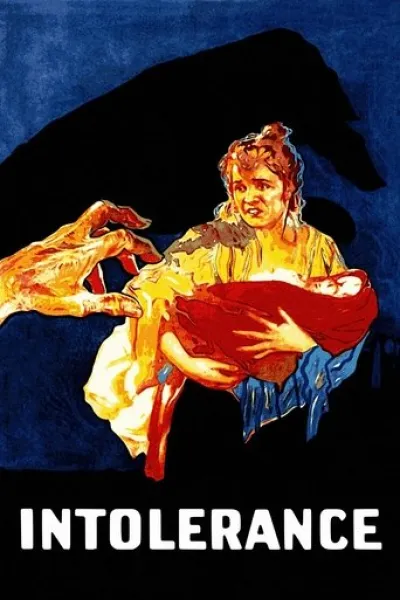 7.1
Intolerance: Love's Struggle Throughout the Ages
-
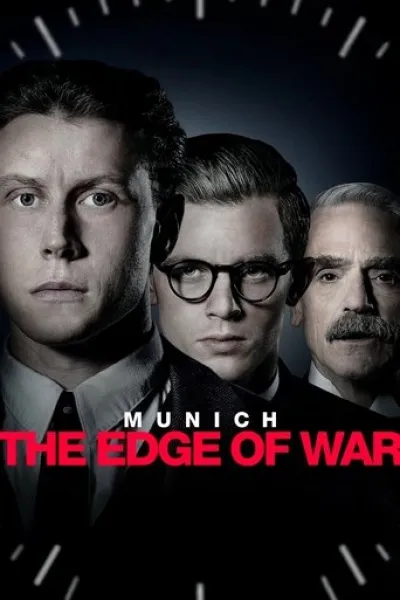 6.9
Munich - The Edge of War
-
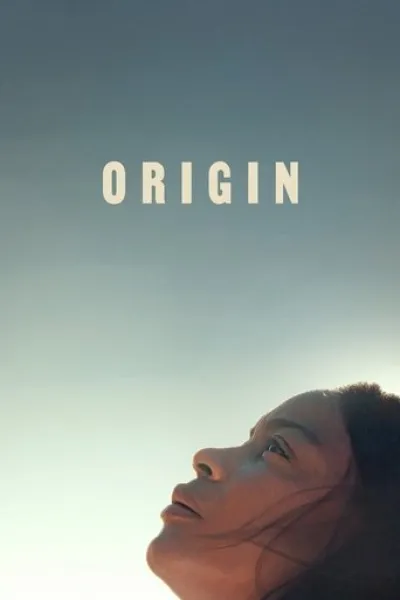 6.2
Origin
-
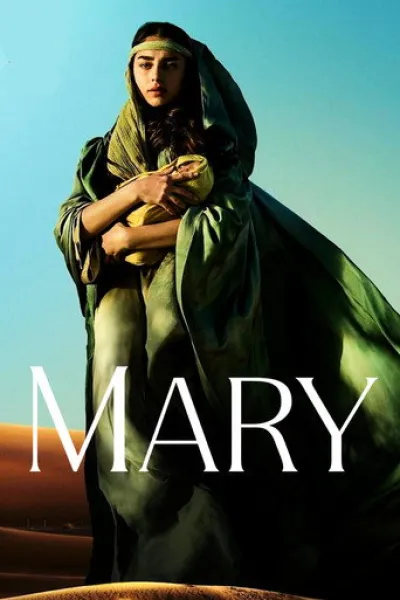 6.3
Mary
-
 7.7
The Count of Monte Cristo
-
 7.5
The Two Popes
-
 7.2
Doubt
No one has written about this yet
The first piece about “Andrei Rublev” takes this spot. An analysis, an essay, a personal story — whatever suits you.
- 01It appears right here, on the page everyone looking for this title opens.
- 02Your name and a link to your profile go with it.
- 03The editor already knows which title it is about — just start with the first line.
- 04Your first article earns the “First article” badge on your profile.
Share
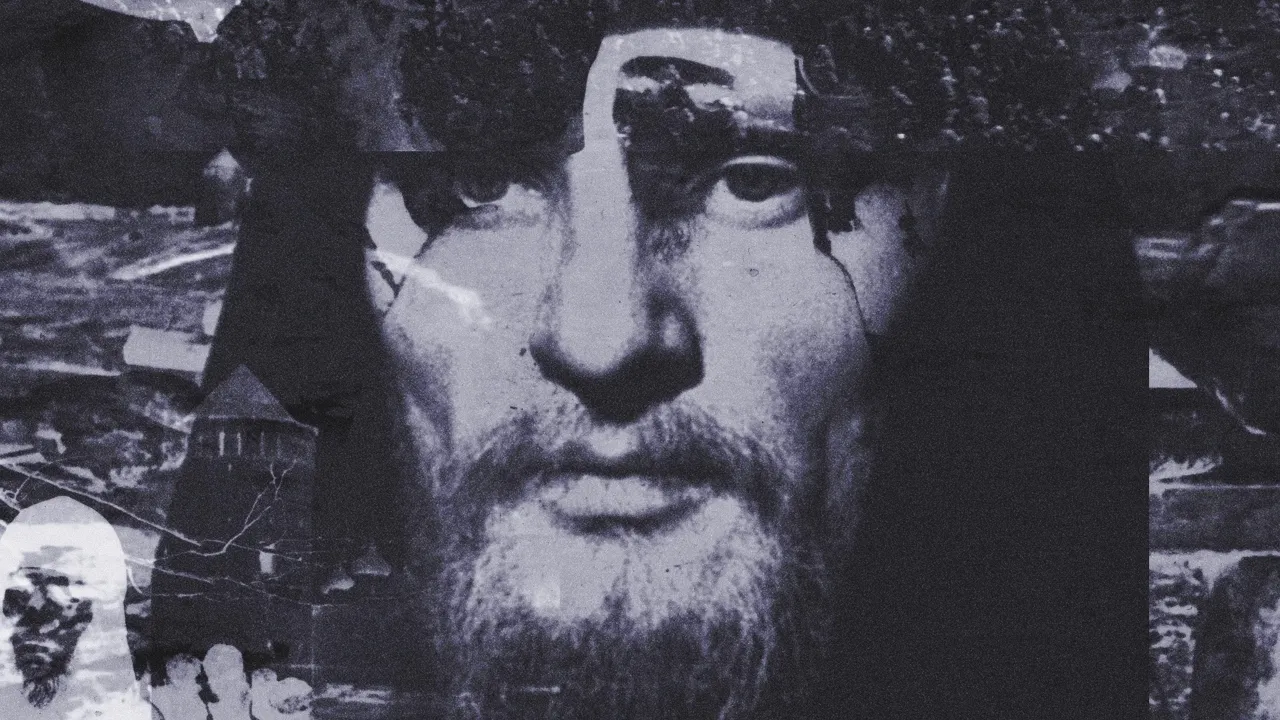
Andrei Rublev (1966)
 Andrei Rublev
1966
Andrei Rublev
1966
Andrei Rublev
1966