





-
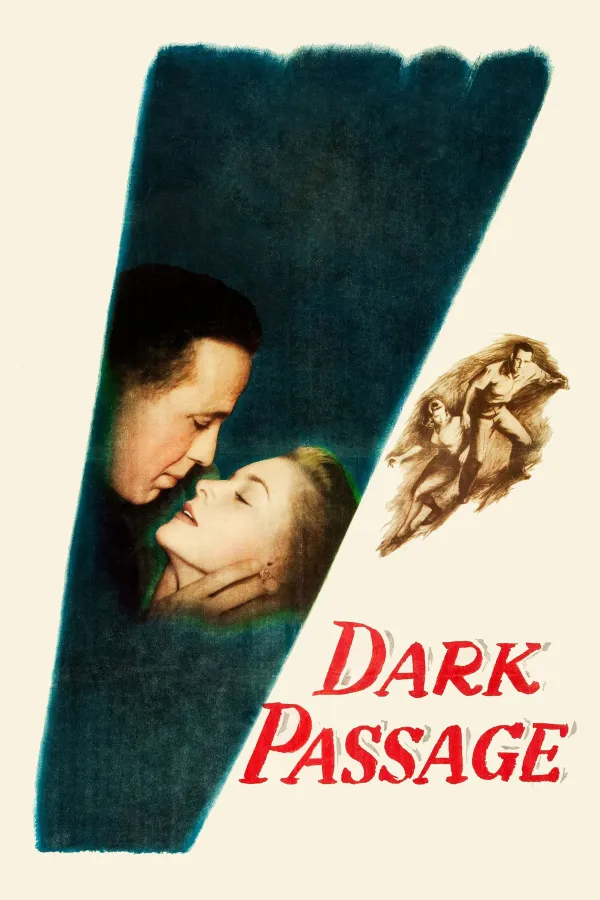
The plot of the film is based on the novella of the same name by David Goodis.
-
In one of the frames, Vincent Parry (Humphrey Bogart) sees his photo in a newspaper, in which he is depicted before plastic surgery. This photo is of character actor Frank Wilcox.
-
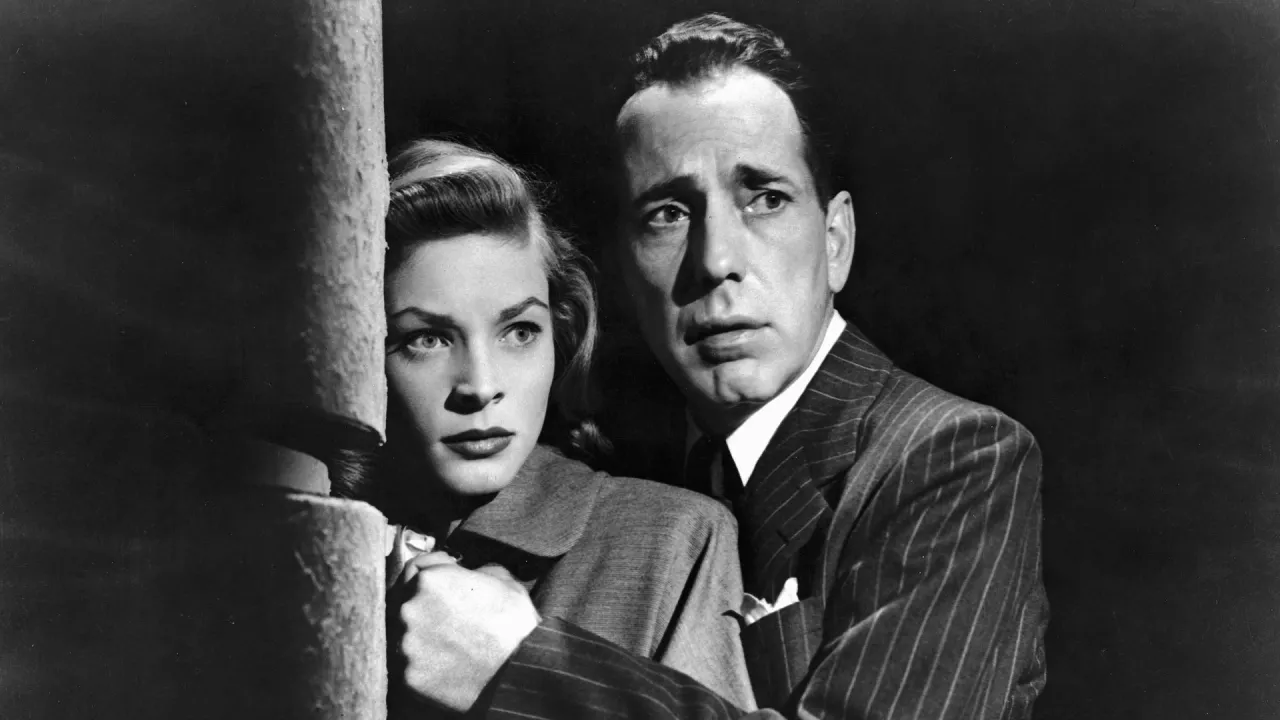
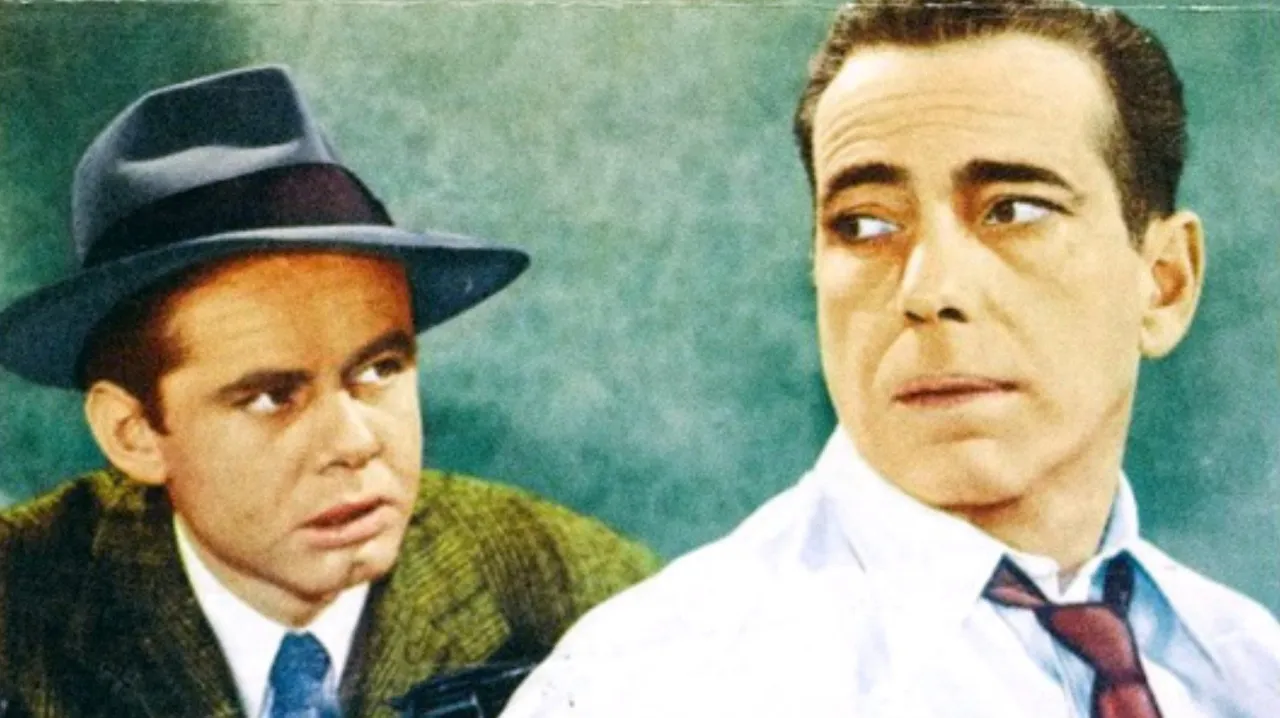
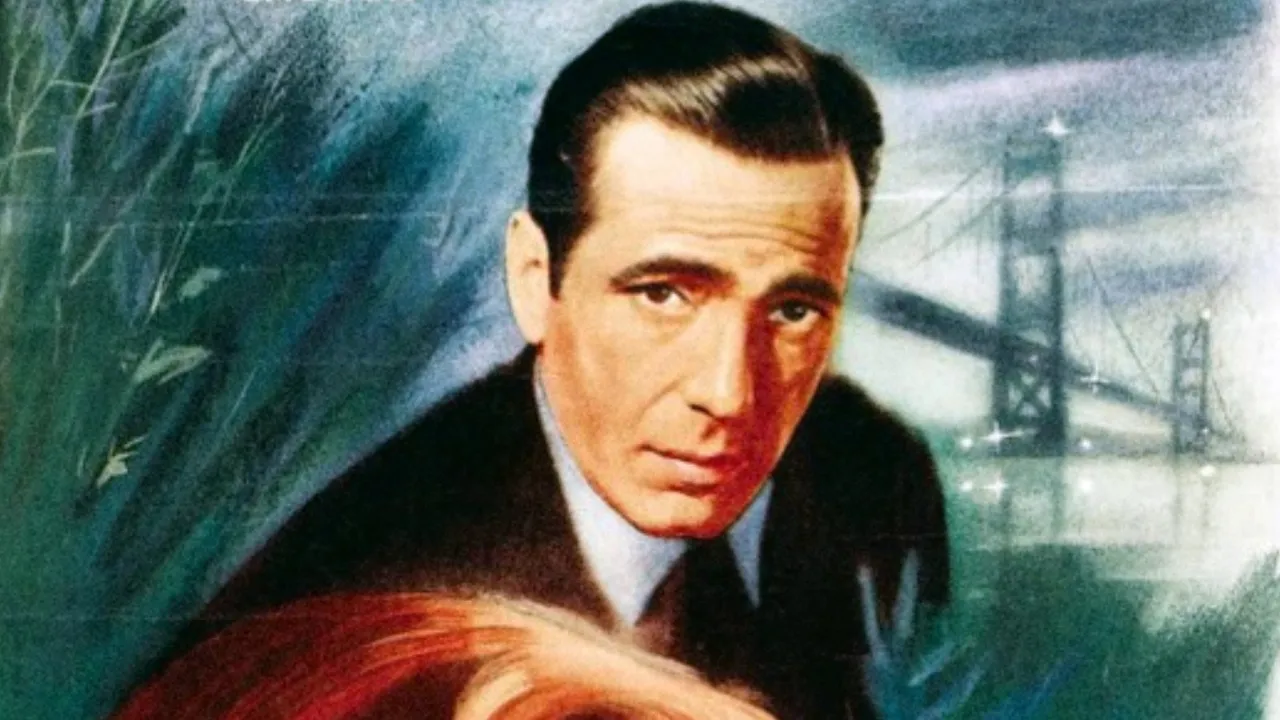
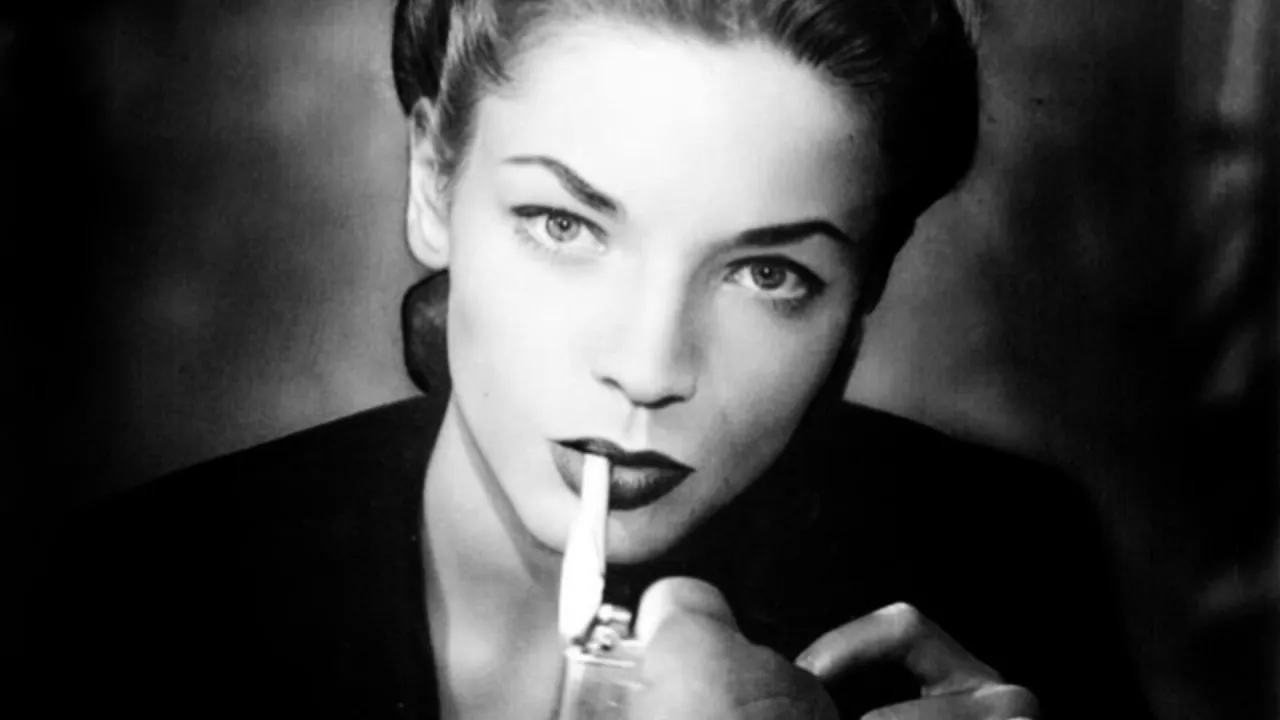
This is the third of four films made while Humphrey Bogart and Lauren Bacall were married.
-
Warner Bros. paid $25,000 for the rights to the novel "Black Streak" by David Goodis. The work was serialized in The Saturday Evening Post from July 20 to September 7, 1946.
-
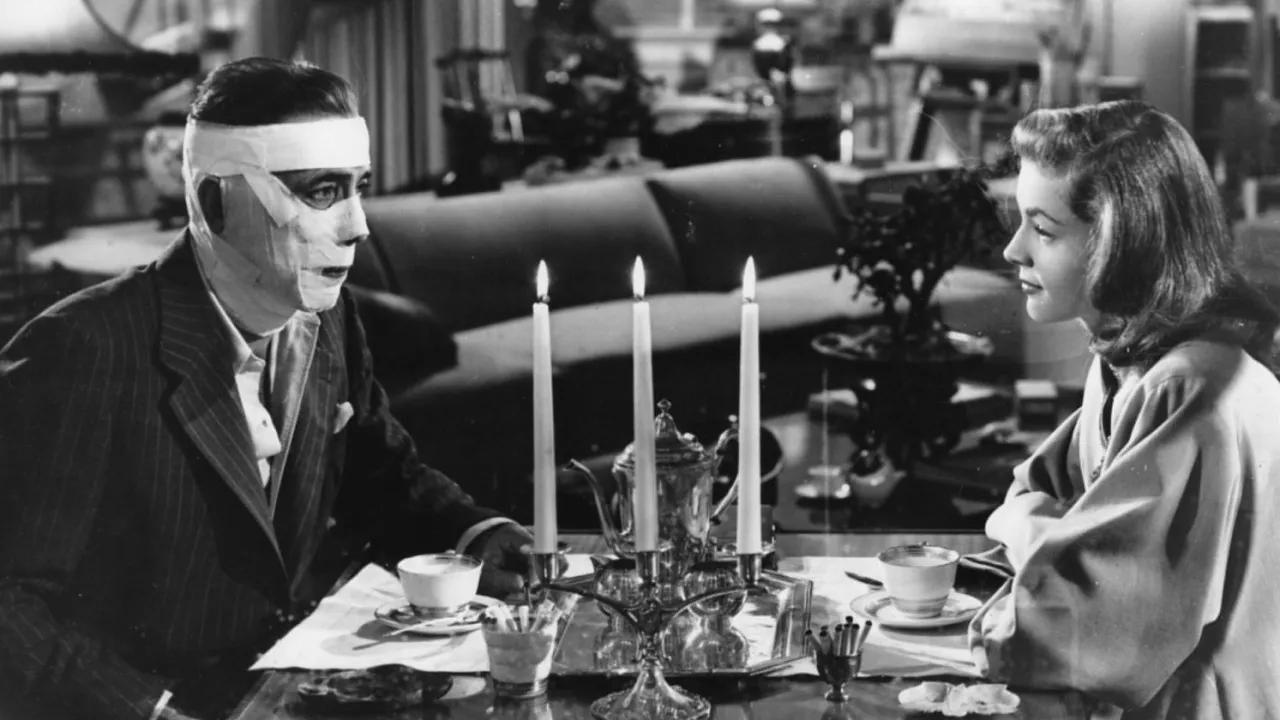
Humphrey Bogart's fully revealed face can only be seen at the 62nd minute of the film, after his character removes the bandages and looks in the mirror. All preceding scenes with the character are shown either from his point of view (the "subjective camera" technique) or in such a way that his face is hidden by shadows or bandages.
-
The voice on the car radio announcing Vincent Parry's escape as Humphrey Bogart and Clifton Young drive is that of actor Dane Clark.
-
Warner Brothers president Jack L. Warner was displeased that the face of Humphrey Bogart, a top star from his studio's roster, is never shown on screen during the first half of the film. By the time he learned of it, it was too late to change anything, as many key scenes had already been shot.
-
The photo of Vincent, played by Humphrey Bogart, before plastic surgery is shown, among other places, in a newspaper item. It was the pinnacle of photo montage for its time – using double exposure and careful retouching. The lower part of the face belongs to actor Kenneth MacDonald, the upper part (from the middle of the nose upward) to Bogart.
Share
Dark Passage (1947)
 Dark Passage
1947
Dark Passage
1947
Dark Passage
1947