






-
The film's title is based on the title of a 1944 scientific work by Dr. Robert M. Lindner on the problems of hypnoanalysis of juvenile delinquents ("Rebel Without A Cause: The Hypnoanalysis of a Criminal Psychopath").
-
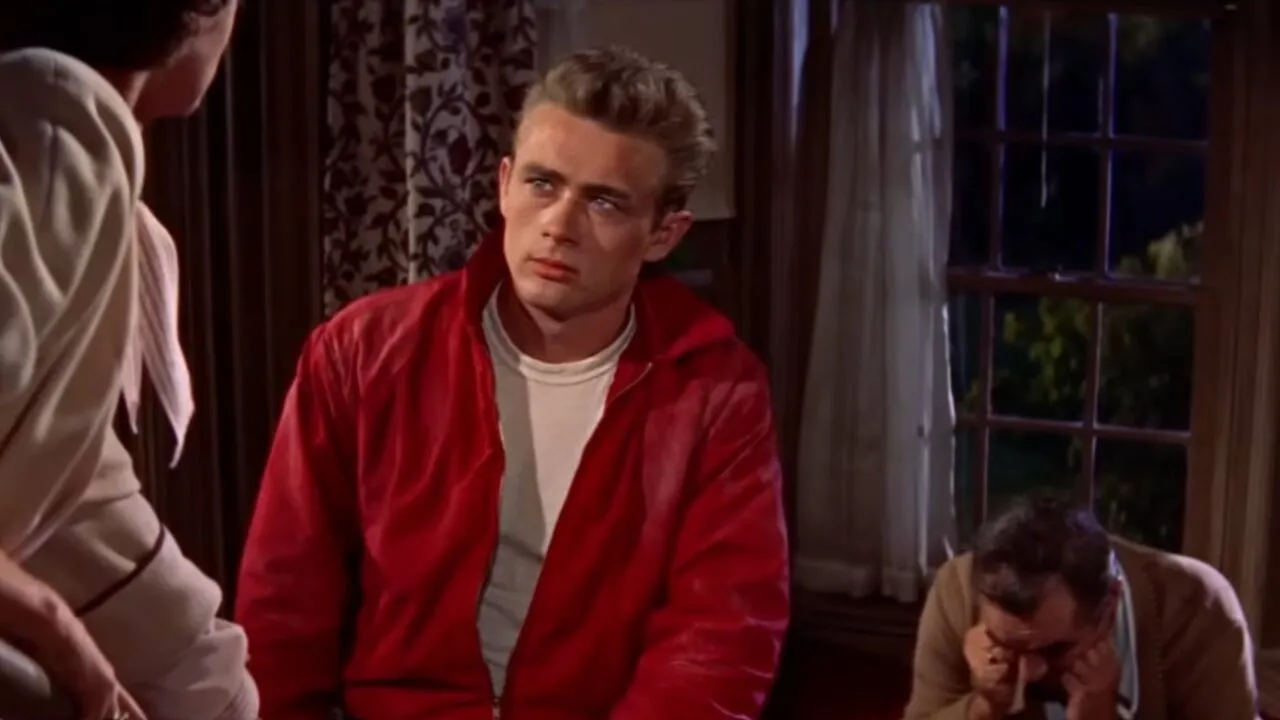
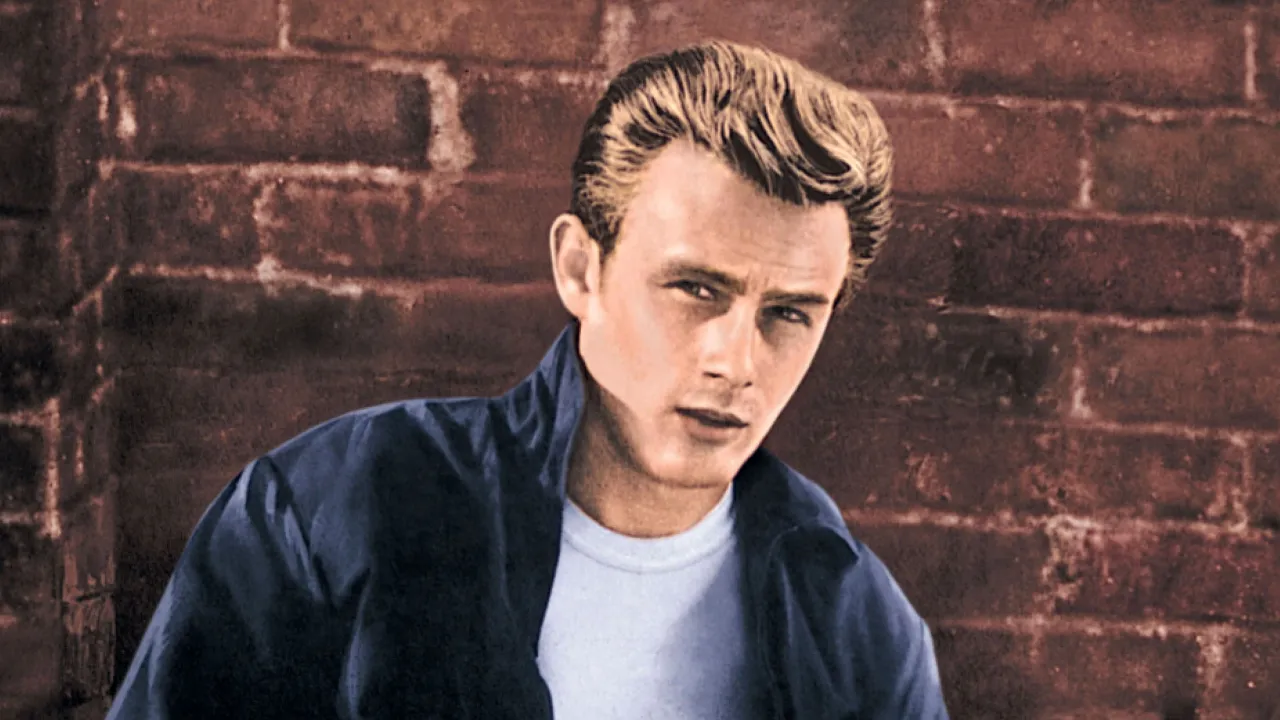
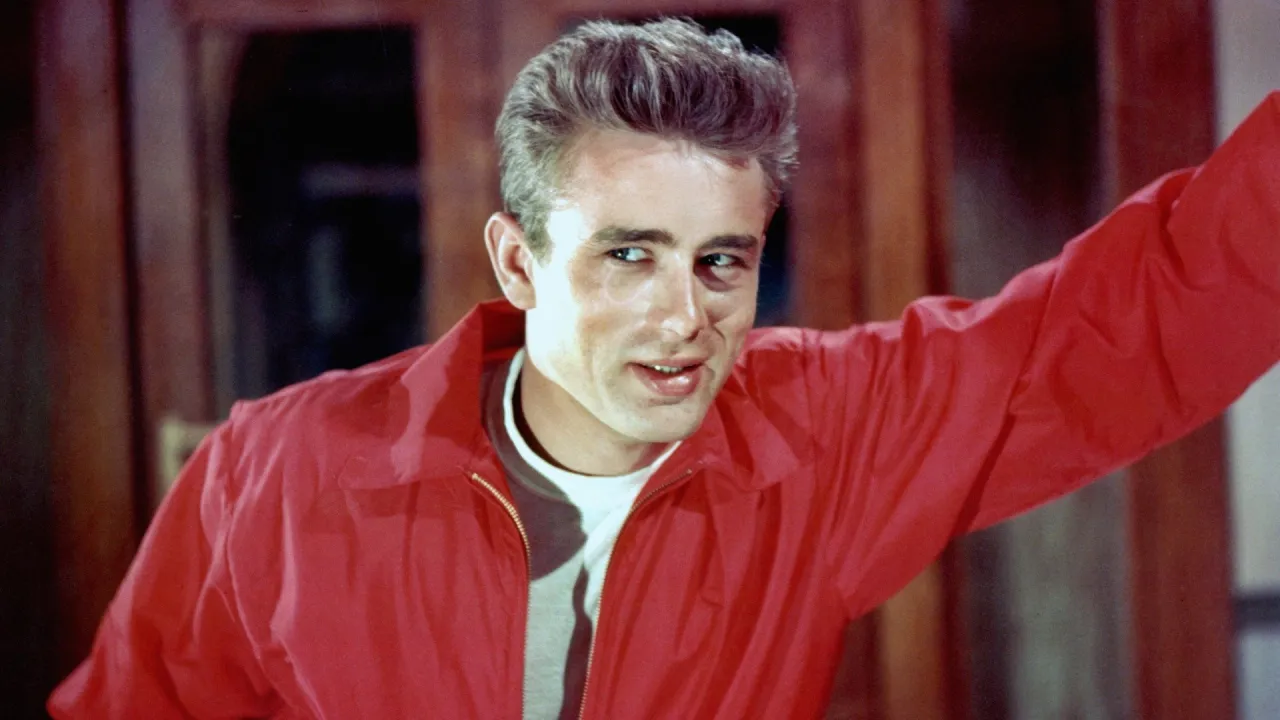
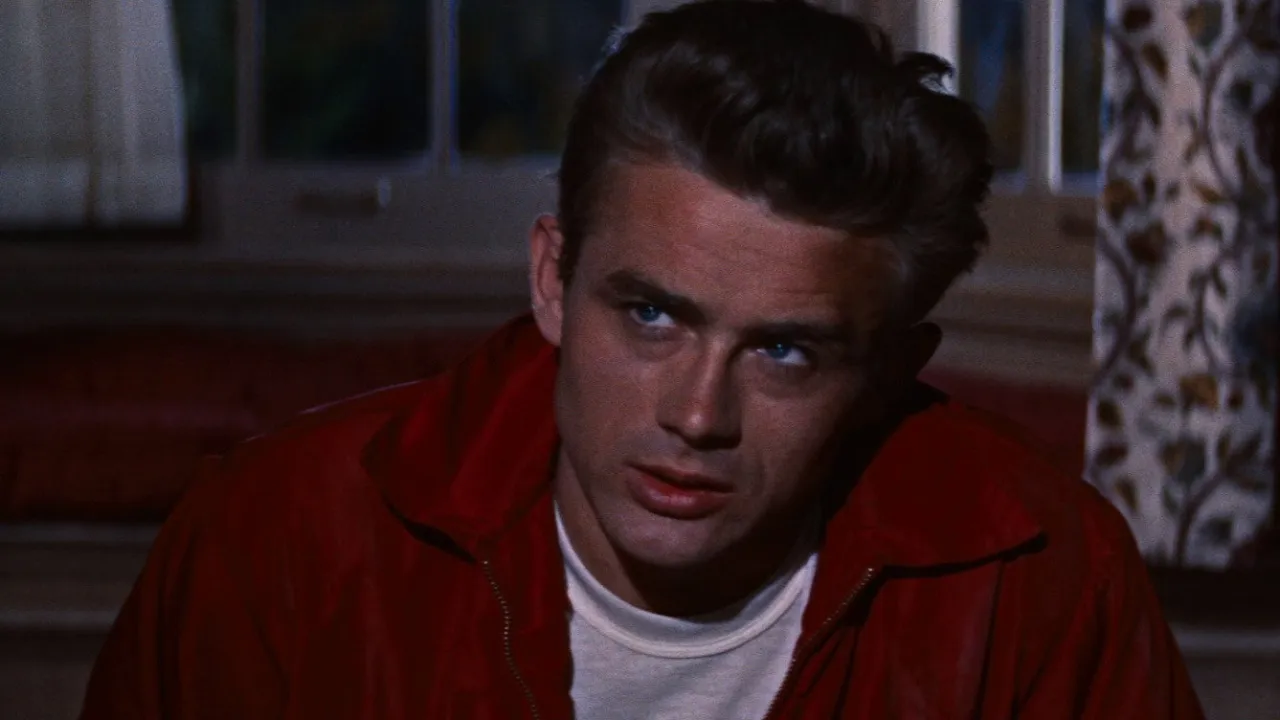
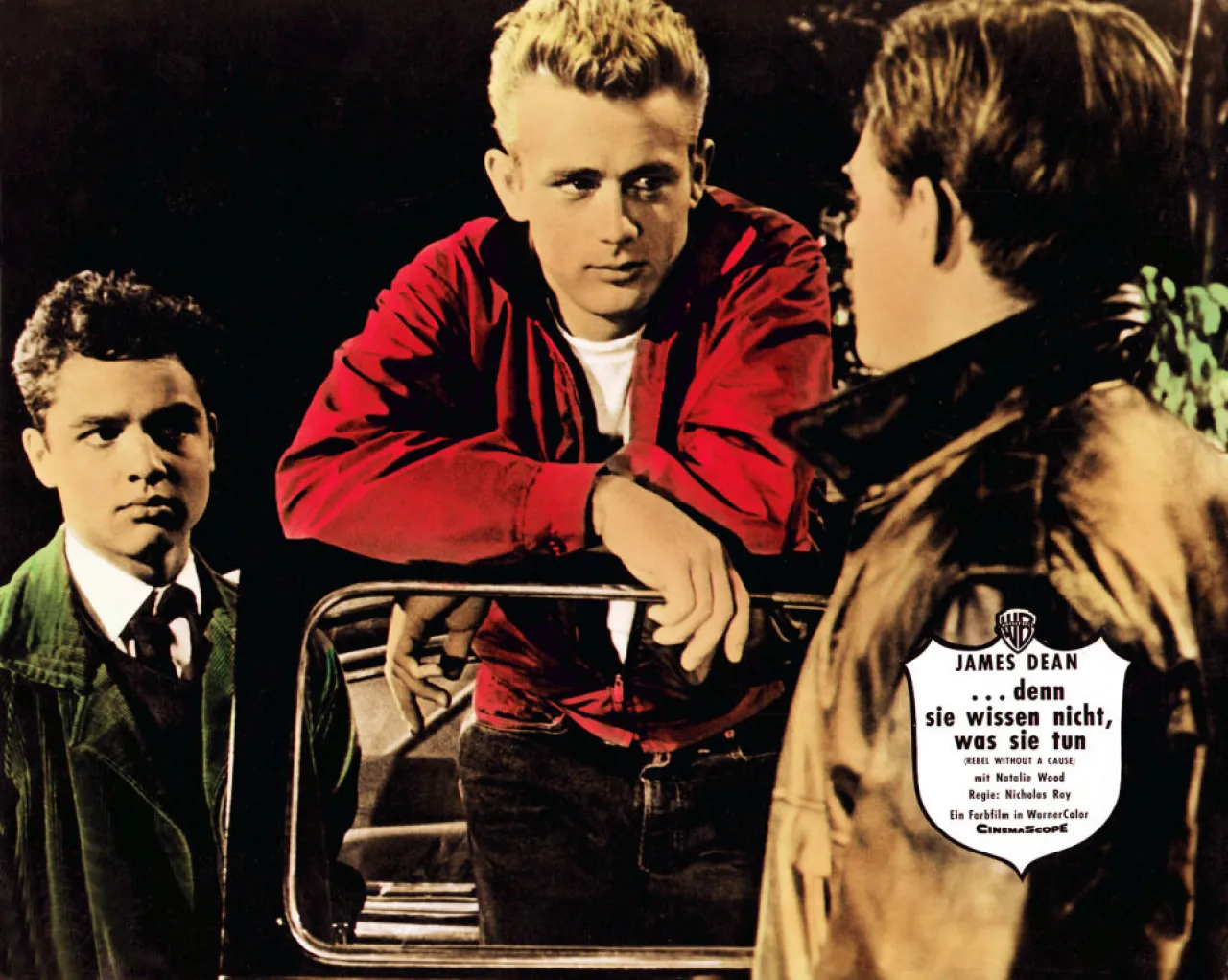
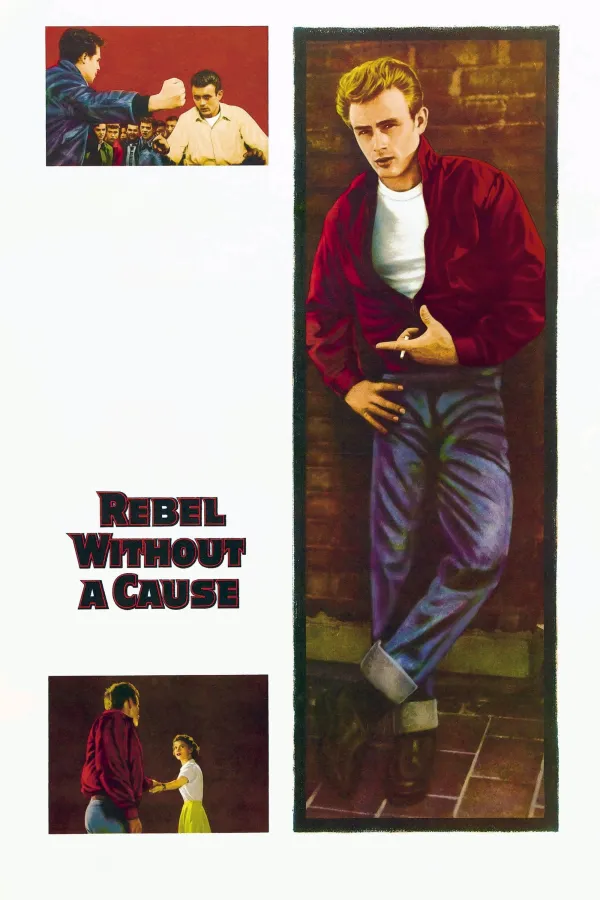
The film was going to be made in black and white, and several scenes had already been shot when Warner Bros. decided to make it in color for prestige. The studio was pushed to this by the huge box office success of Elia Kazan's East of Eden (1955), the previous film with James Dean. Ray was especially happy to shoot the film in color, as he had several vivid symbols ready. Almost every color (from Jim's red jacket to his blue jeans) had its own symbolism.
-
Jim mimics the voice of the cartoon character Mr. Magoo. The irony is that Jim's father is played by the actor Jim Backus, who also voiced this character. Backus even taught Dean how to speak properly in Magoo's voice.
-
According to a survey conducted by the British multiplex chain UCI Cinemas, the film was voted the most stylish film in the history of cinema.
-
The entire action of the film unfolds over the course of 24 hours.
-
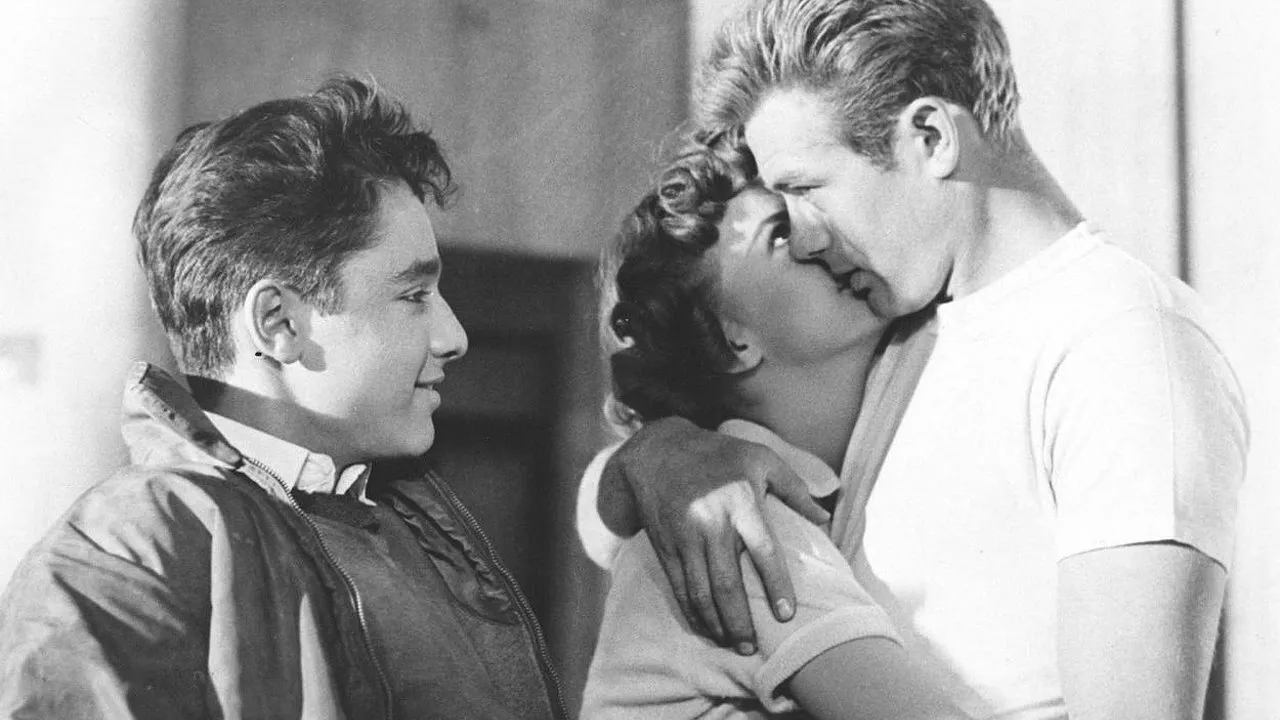
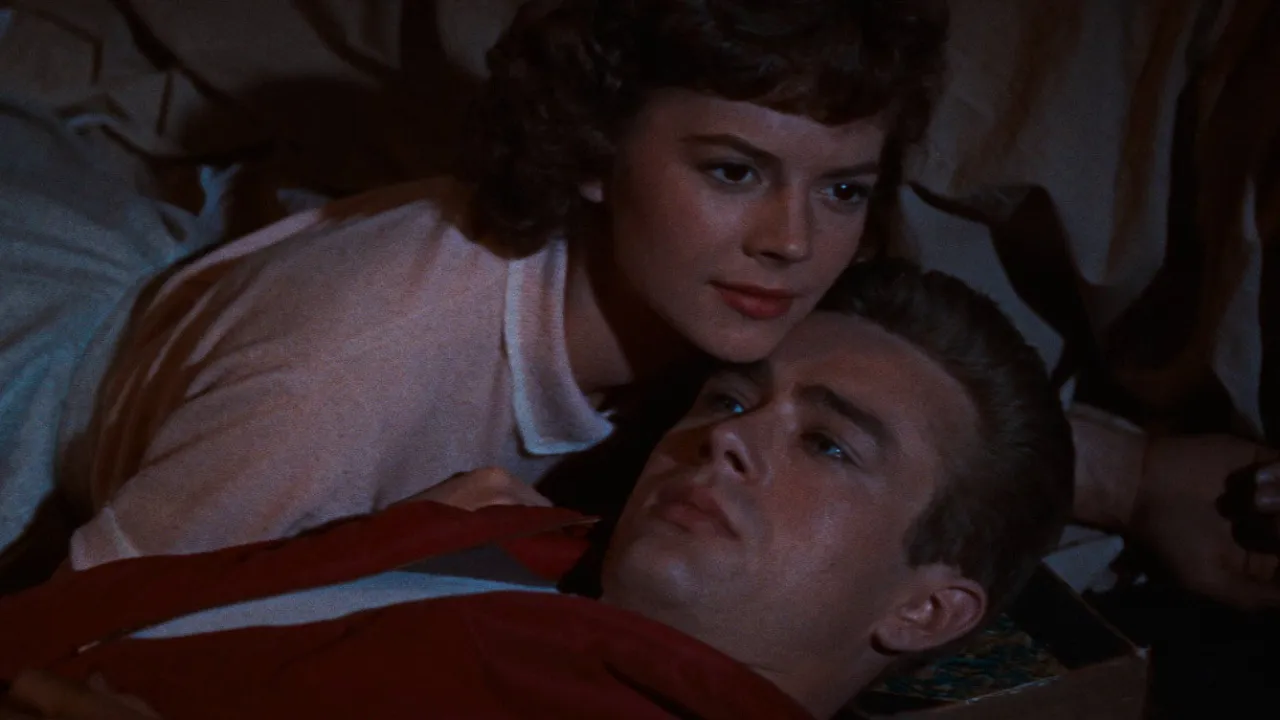
Ray was not very keen on giving the role of Judy to Natalie Wood, because he considered her too naive and inexperienced. Wood learned to smoke in the shortest possible time and changed her views on life, proving that she was capable of being mature and grown-up.
-
In the scene where Jim takes out his rage on the police desk, Dean actually broke his hand.
-
Director Nicholas Ray spent several nights in the company of Los Angeles youth gangs to get a feel for the atmosphere of the events of the future film.
-
Marlon Brando was wanted for the lead role, but the idea had to be abandoned — two years before "Rebel Without a Cause," Brando had starred in a similar film called "The Wild One" (1953).
-
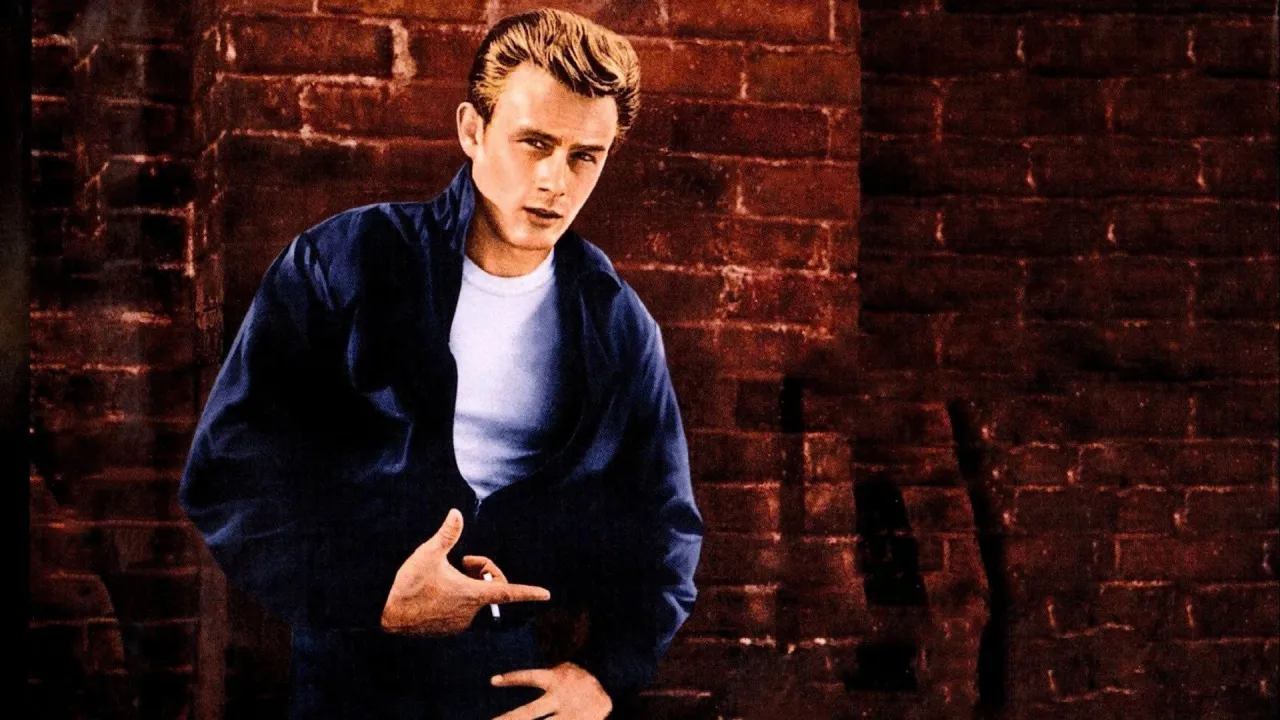
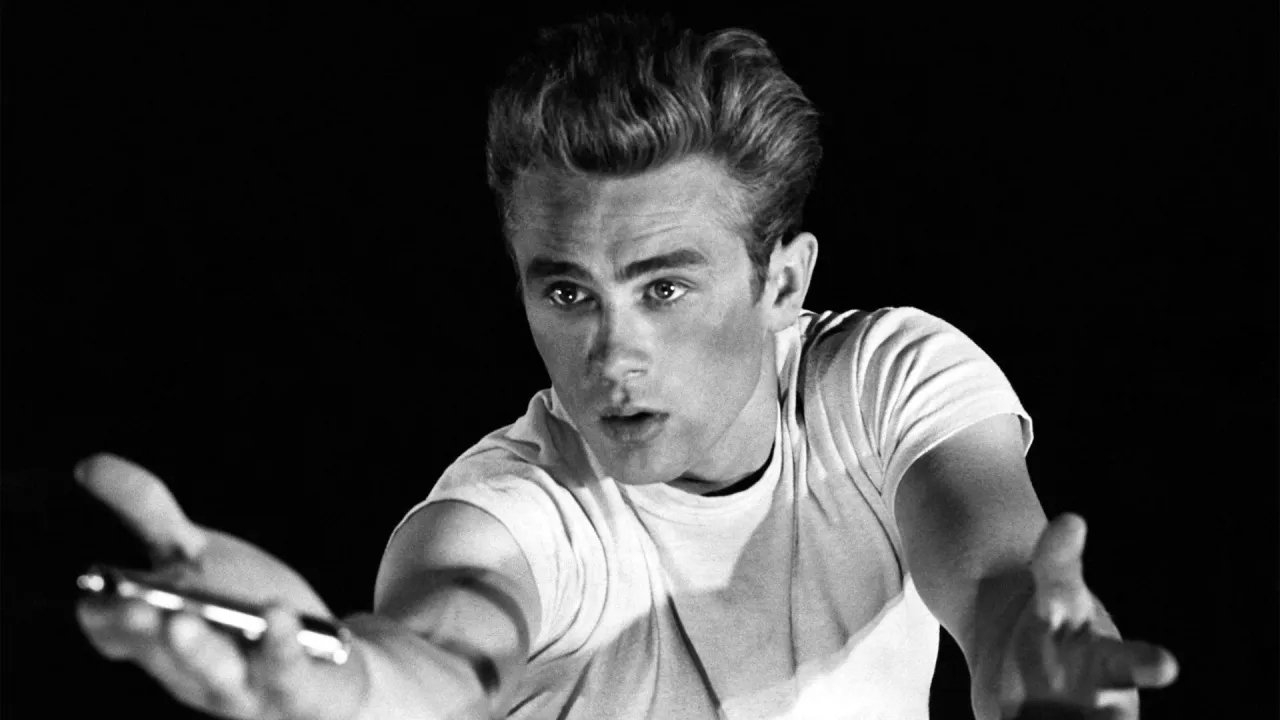
For almost the entire film, James Dean wore a white T-shirt, which since its invention had been exclusively an undergarment. Before Dean, actors such as Marlon Brando and John Wayne had appeared on screen in T-shirts, but it was this film that brought the T-shirt to the masses and made it a fully accepted outer garment: immediately after the film's release, sales of T-shirts increased greatly, first in the United States and then throughout the world.
Share
Rebel Without a Cause (1955)
 Rebel Without a Cause
1955
Rebel Without a Cause
1955
Rebel Without a Cause
1955
Rebel Without a Cause
1955
Rebel Without a Cause
1955
Rebel Without a Cause
1955