





Stories from the set
What happened on set and off camera. No spoilers.
-
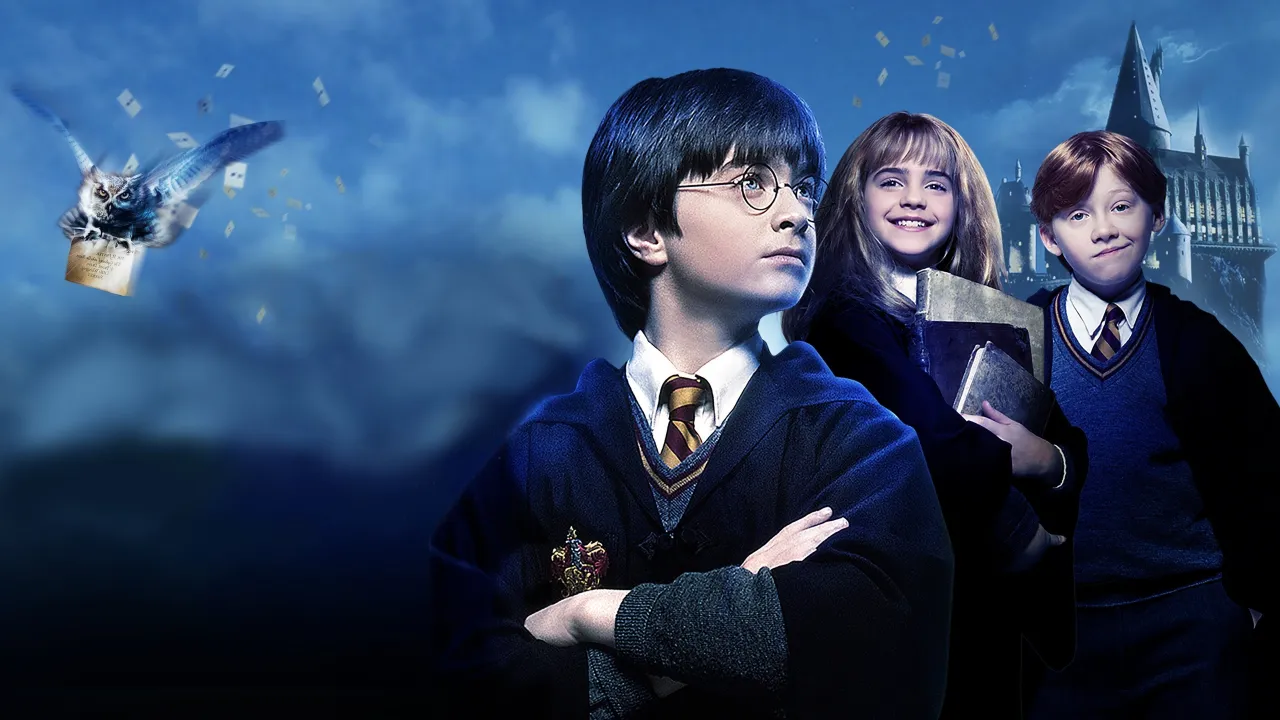
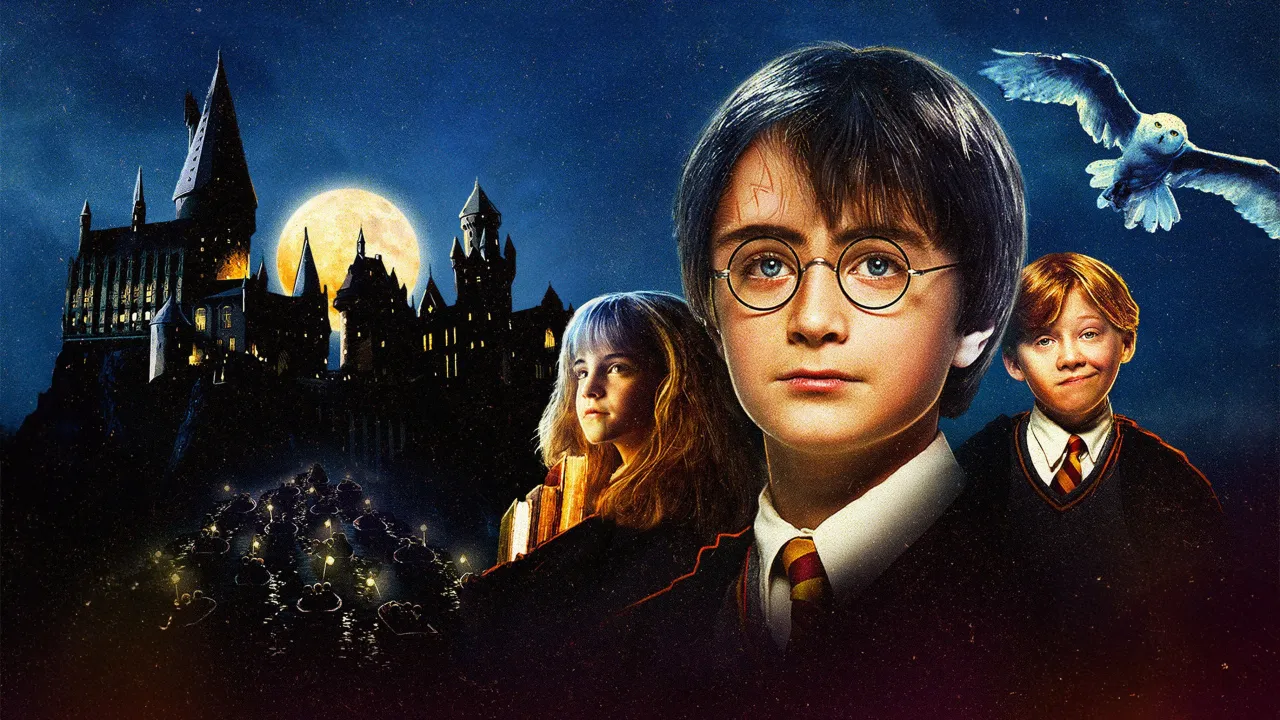
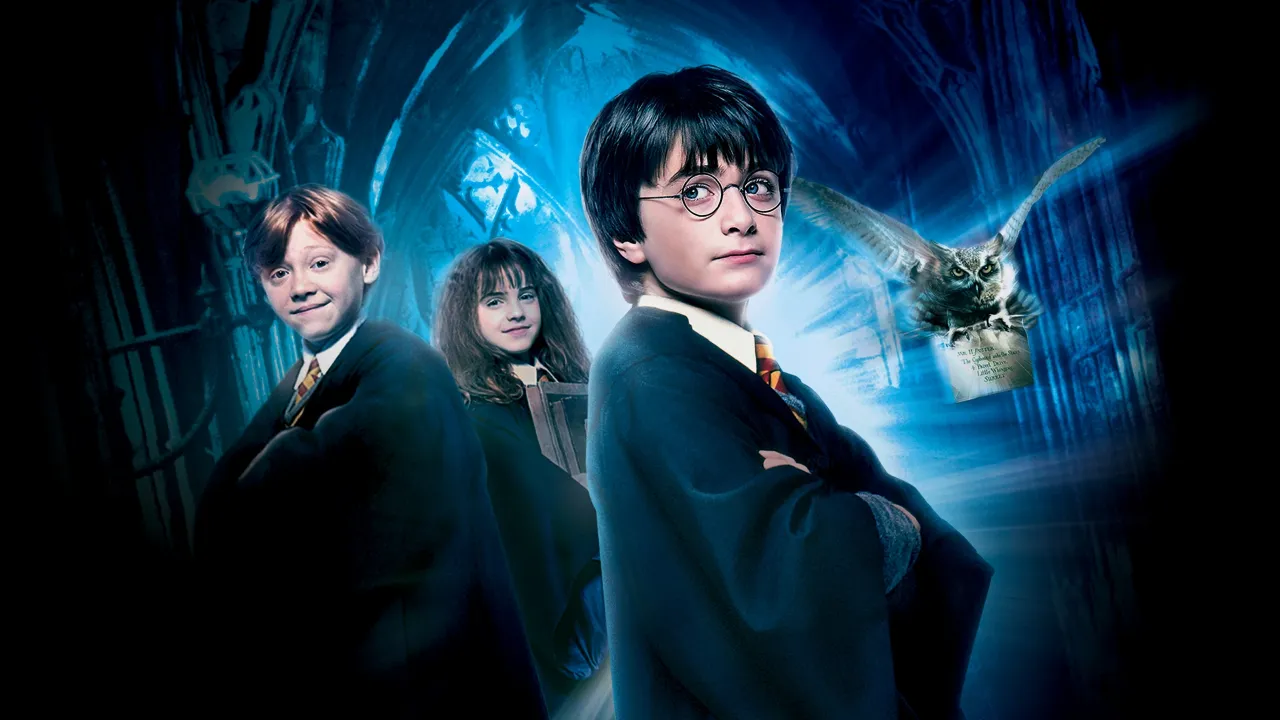
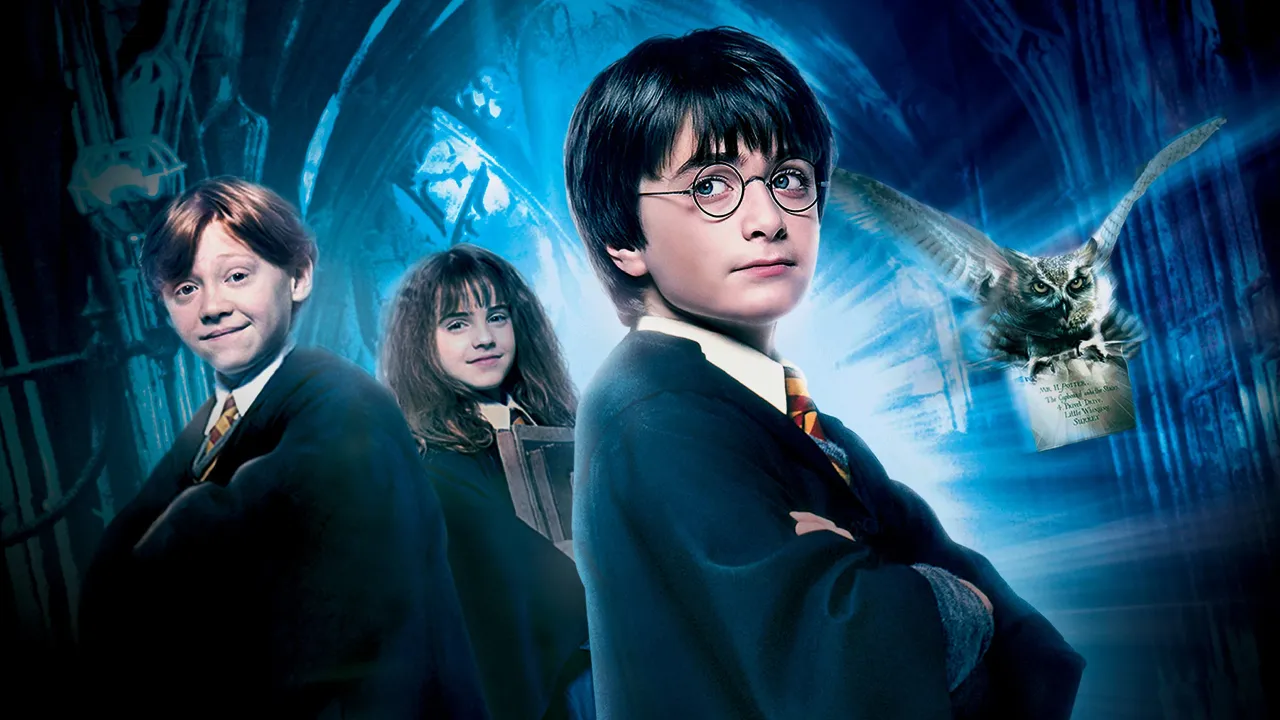
Three owls were used as Hedwig, Harry Potter's owl: Ook, Gizmo, and Sprout.
-
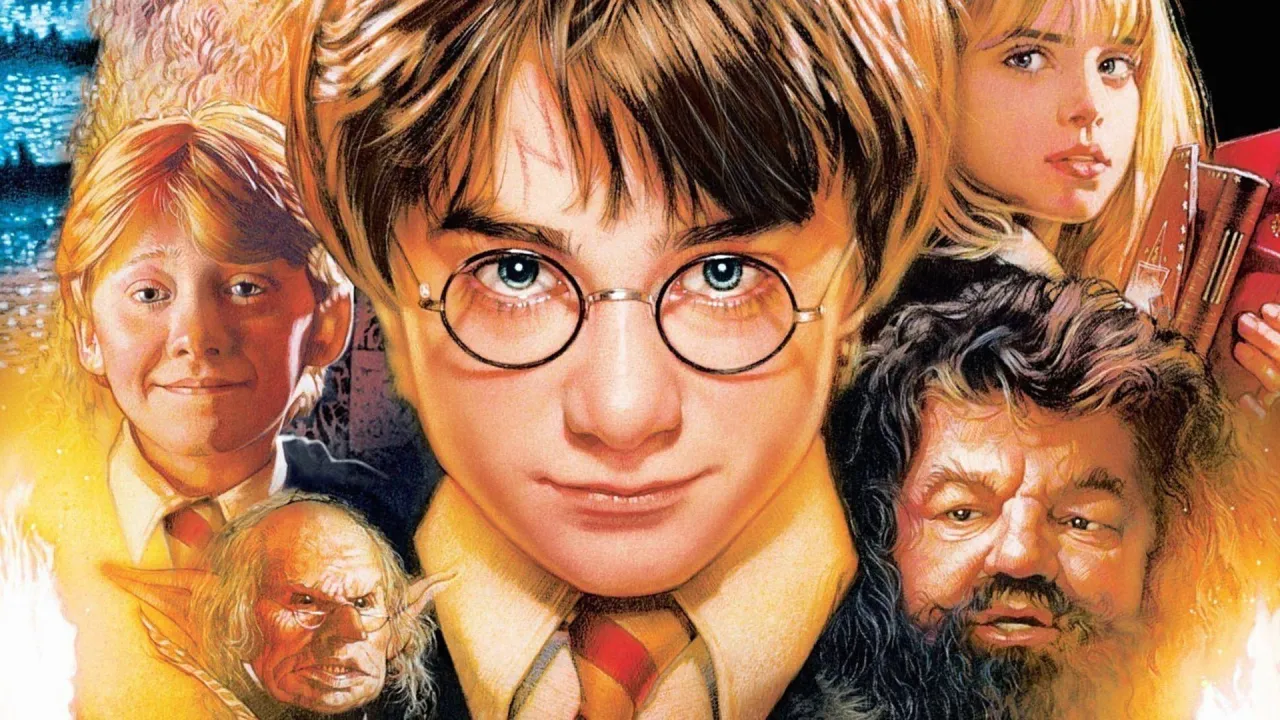
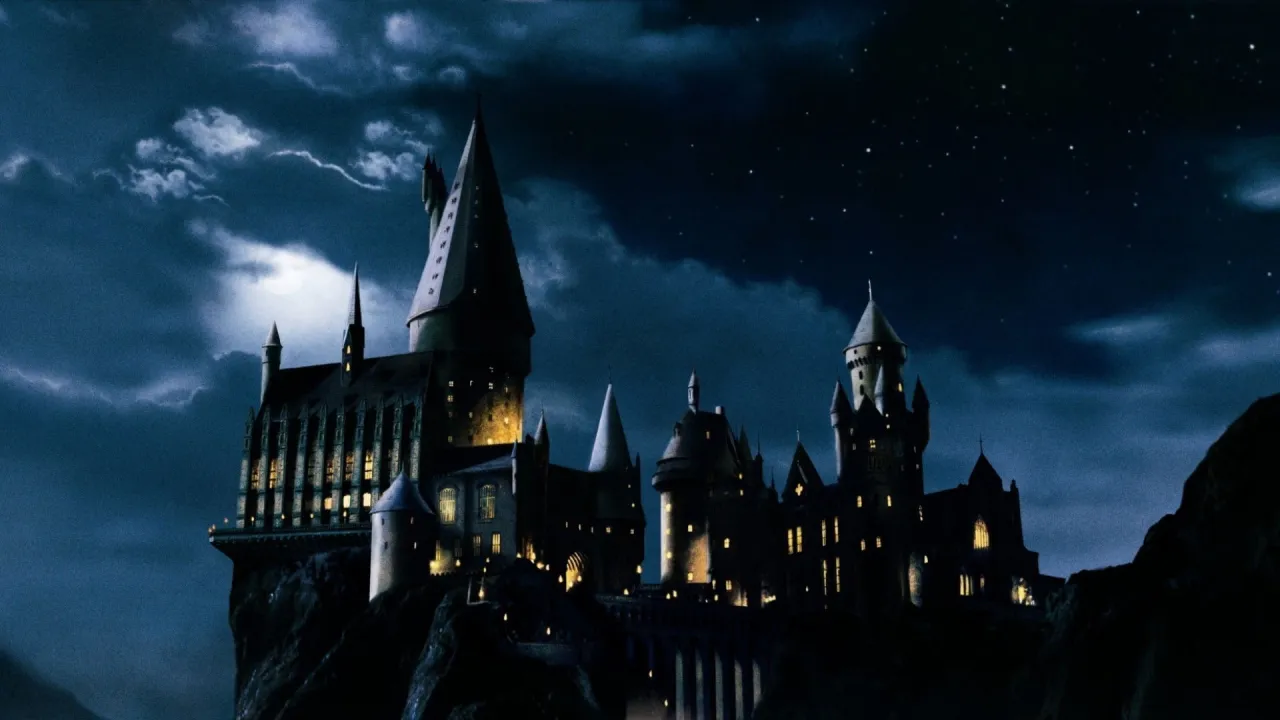
The film is based on J.K. Rowling's novel Harry Potter and the Philosopher's Stone (1997).
-
J.K. Rowling sold the film rights to the first four Harry Potter books in 1999 for a modest sum of one million pounds sterling (at the time, a little over 1.5 million dollars). More importantly, it was stipulated that the writer would receive a certain percentage of the box office earnings of each film and would have significant control over all stages of production.
-
J.K. Rowling made it an indispensable condition that all actors in the future films must be British. Only in the fourth film of the franchise, where it was necessary due to the content of the book, did actors from other countries appear.
-
Initially, Steven Spielberg was the main contender for the director's chair. Negotiations with him lasted several months and ended in February 2000 with his refusal. Steven Spielberg considered making an animated film as the main option, with Haley Joel Osment voicing the protagonist. This option did not appeal to either the studio or the author of the books. Subsequently, the famous director continued to insist on an American actor in the lead role. Another reason he cited for his refusal was a lack of creative interest in the project. According to Steven Spielberg, the film was destined for colossal commercial success, regardless of how successful his work would have been.
-
After Spielberg declined, negotiations began with several directors at once. The main candidates considered were Chris Columbus, Terry Gilliam, Jonathan Demme, Mike Newell, Alan Parker, Wolfgang Petersen, Rob Reiner, Tim Robbins, Brad Silberling and Peter Weir.
-
In March 2000, Wolfgang Petersen and Rob Reiner dropped out of the running for various reasons, reducing the number of candidates to four: Chris Columbus, Terry Gilliam, Alan Parker and Brad Silberling, of whom J. K. Rowling preferred Gilliam. Despite this, on 28 March 2000 it was announced that the director's chair went to Chris Columbus. Subsequently, Terry Gilliam openly expressed his displeasure and disappointment, saying that he was the ideal candidate for the role and calling Columbus's film simply terrible, boring and banal. The decisive role in the studio's choice was played by the director's extensive experience working with young actors and the success of his previous family-oriented films «Home Alone» (1990) and «Mrs. Doubtfire» (1993). On the other hand, one of the main reasons for Chris Columbus's agreement was the tireless pleas of his daughter, a great fan of J. K. Rowling's books.
-
The honor of writing the screenplay went to Steve Kloves, who had negotiated and met with Steven Spielberg when he was being considered as the main candidate for the director's position. According to the screenwriter, he was sent a whole series of short book synopses to adapt, from which he immediately singled out Harry Potter for himself. He went outside, bought the book and instantly became a fan of Rowling's work. At the same time, he committed to writing screenplays for the subsequent films in the franchise as well.
-
Screenwriter Michael Goldenberg also wrote his own version of the screenplay, but preference was given to Kloves's version. Nevertheless, his work impressed producer David Heyman and he was remembered when Steve Kloves declined, for personal reasons, to work on the screenplay for the fifth Potter film «Harry Potter and the Order of the Phoenix» (2007).
-
Warner Bros. originally planned to release the film in theaters on Independence Day, July 4, 2001. Time constraints ultimately forced the premiere to be moved to November 16, 2001.
Share
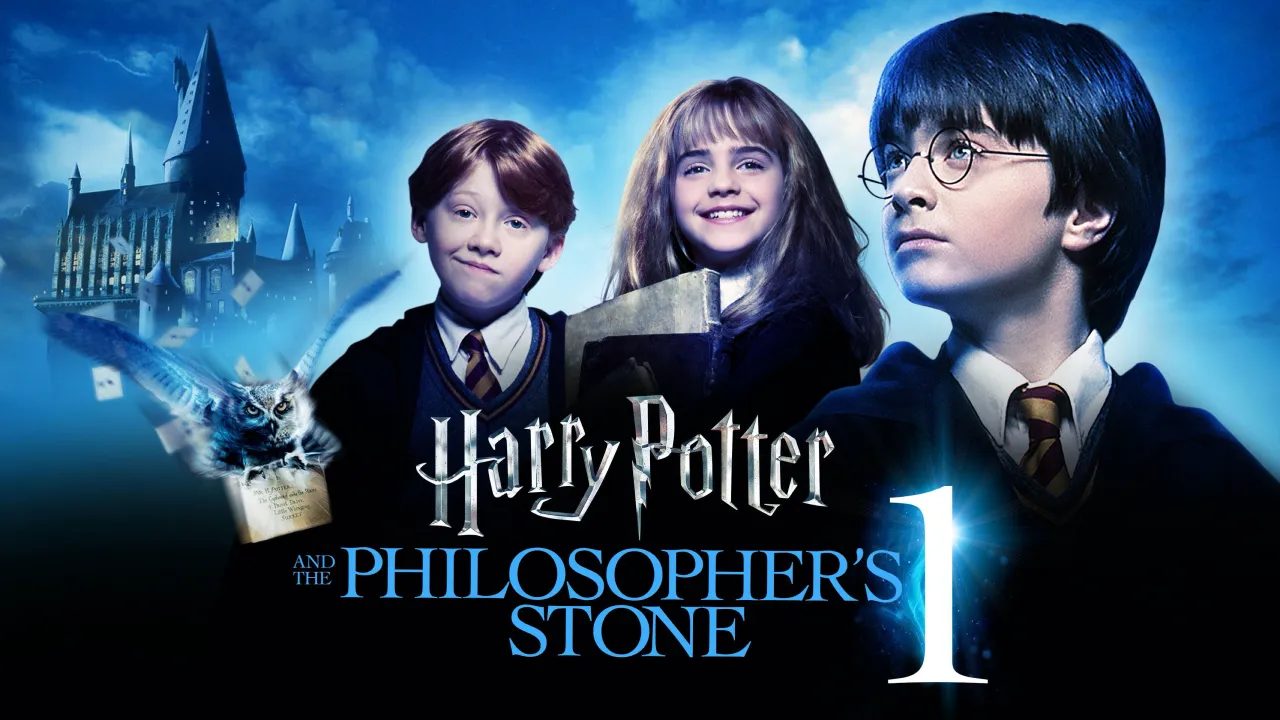
Harry Potter and the Philosopher's Stone (2001)
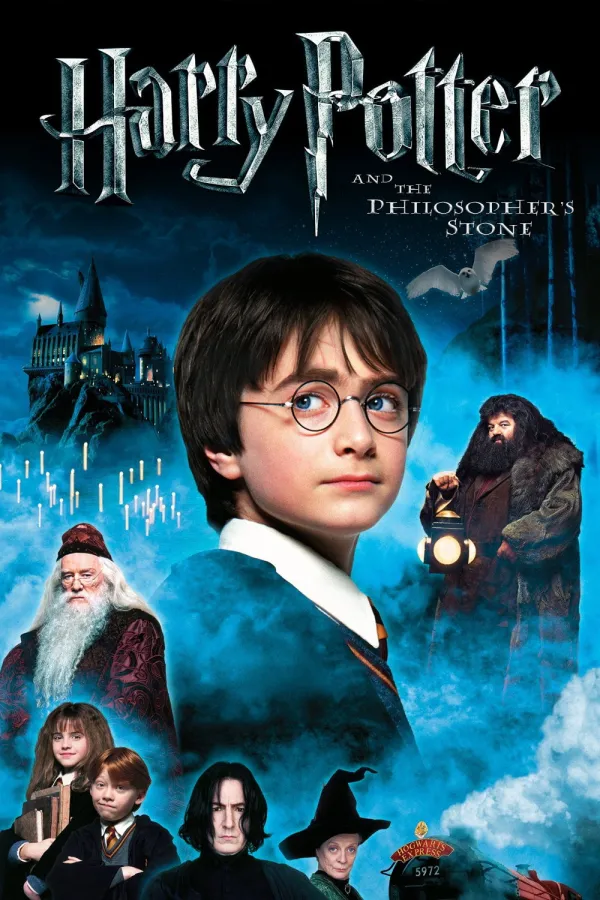 Harry Potter and the Philosopher's Stone
2001
Harry Potter and the Philosopher's Stone
2001
Harry Potter and the Philosopher's Stone
2001
Harry Potter and the Philosopher's Stone
2001
Harry Potter and the Philosopher's Stone
2001
Harry Potter and the Philosopher's Stone
2001