







-
During the "détente" between the USSR and the USA (May–June 1987), on USSR Central Television the film "The Day After" was shown in the same thematic block as the Soviet "Letters from a Dead Man." Both films were broadcast after the "Vremya" program (the American film on the first day, "Letters..." on the second), that is, in the very "prime time."
-
The film is fairly realistic, but the scale and consequences of the catastrophe are still understated, as stated in the text in the closing credits.
-
On the National Geographic channel in 2013, in the "80s" series of programs, when describing the film, as one of the significant events of the 80s, it was mentioned that before Nicholas Meyer at least three directors refused to take part in making the film from a finished screenplay. As their reasons, they stated that they were not ready to make such a terrible film.
-
In the USA there is a documentary film titled «First Strike», which discusses the possible start of a third world war and makes extensive use of footage of American military personnel from the film «The Day After».
-
Nicholas Meyer clashed so much with censors and the US government over the content of the film, especially the scenes of violence, that during the editing period he left the project and demanded that his name be removed from the credits. In the end, he did return, but he vowed never to work in television again.
-
Given that breaking all the windows in the explosion and then replacing them all would be too wasteful, many windows were simply covered with black paper so that it would look as if the window had been broken.
-
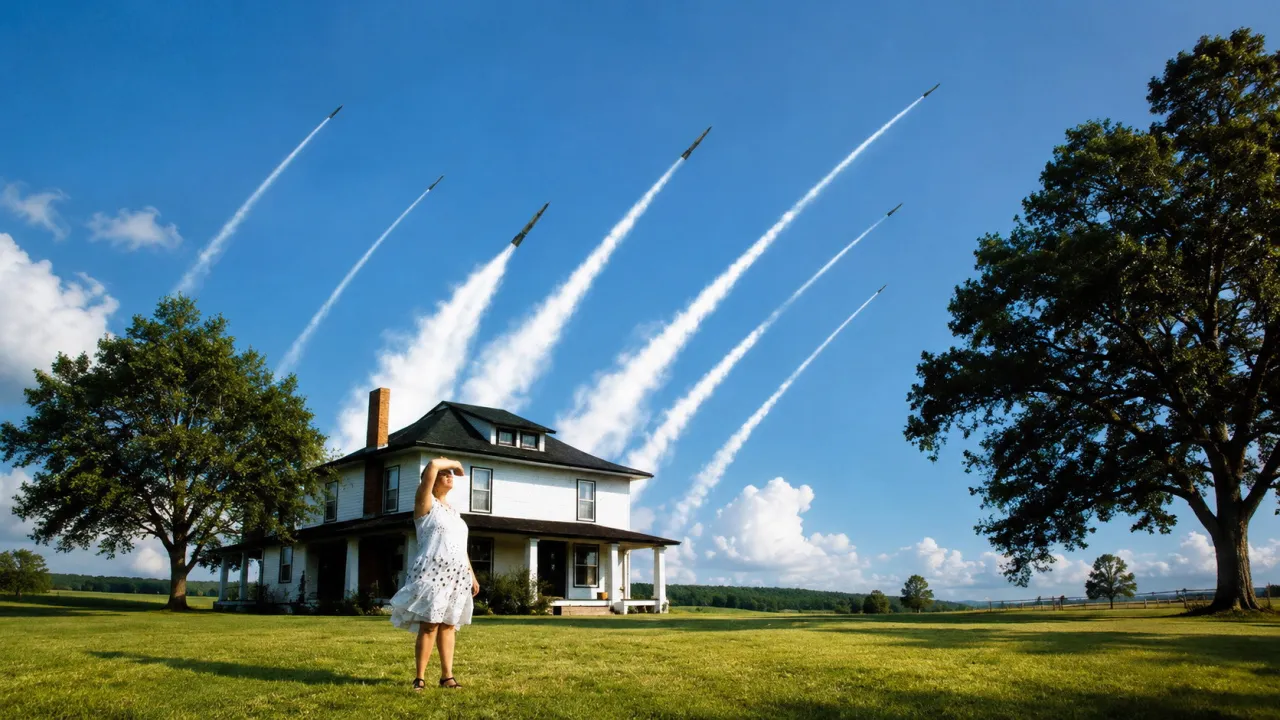
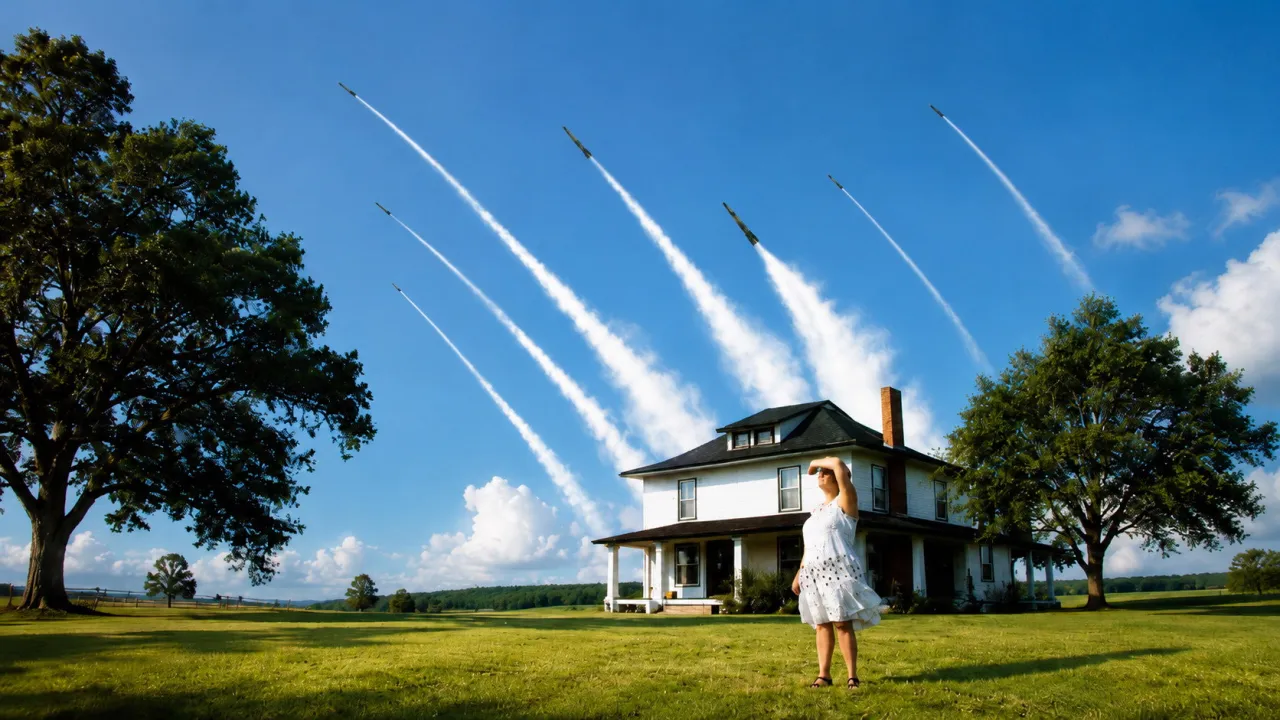
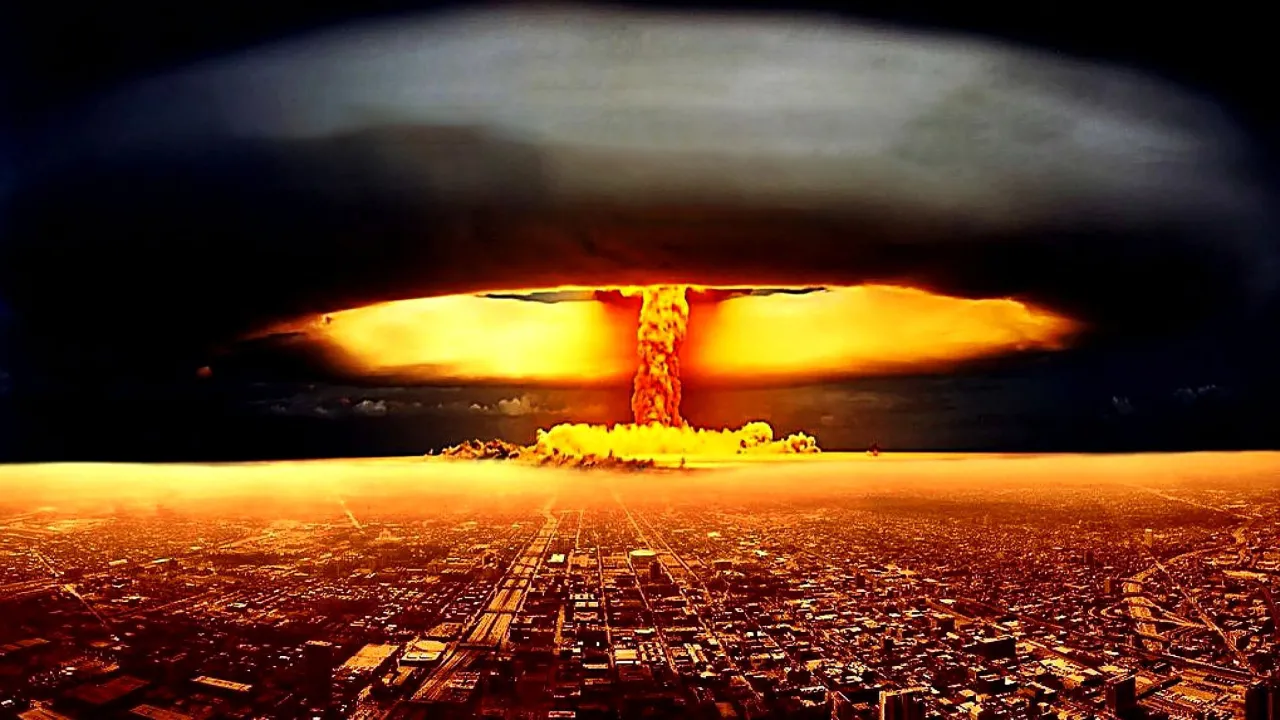
The producers managed to find footage of test launches of the Minuteman III intercontinental ballistic missile. The Ministry of Defense prohibited the use of footage of the nuclear mushroom after the explosion, so the mushroom clouds were the result of the work of visual effects specialists.
-
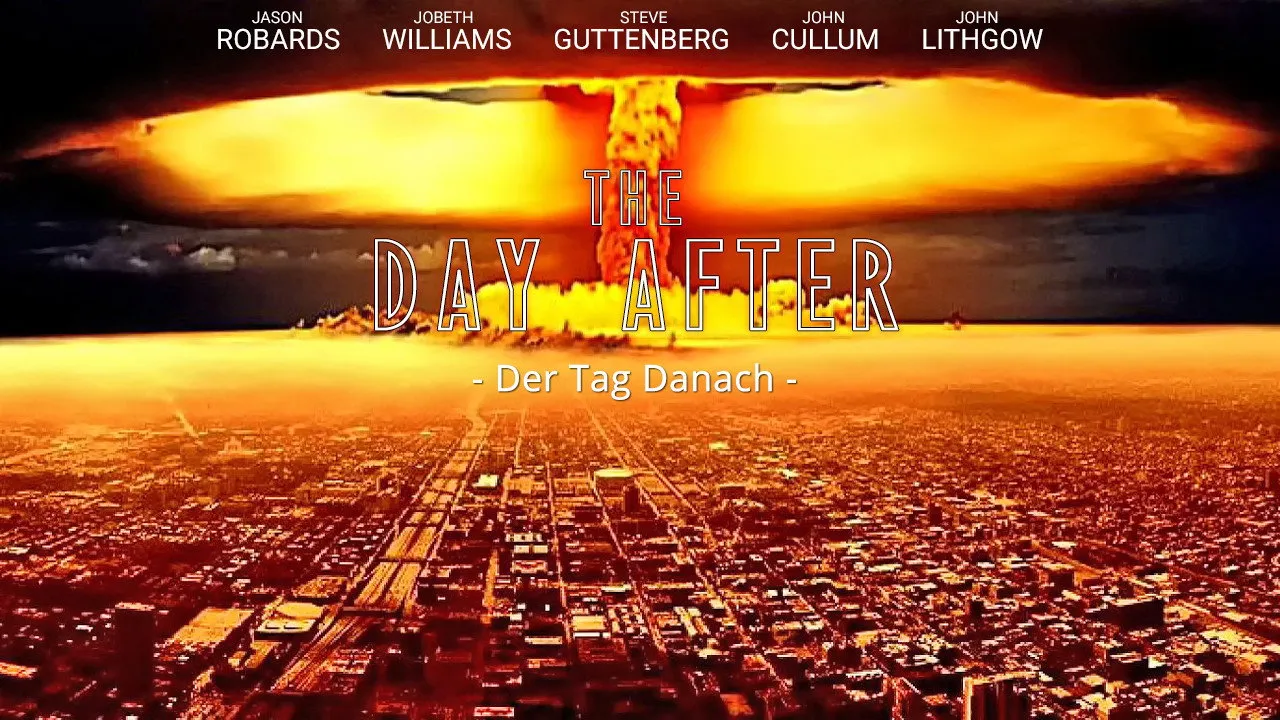
The tank in which the mushroom cloud after the nuclear explosion was created had previously been used in the filming of the 1982 science fiction film Star Trek II: The Wrath of Khan, which was also directed by Nicholas Meyer. Dyes and other liquids were slowly poured into the tank, stirred, and filmed at slow speed.
-
Some scenes with special effects, the creation of which was planned according to the original script, were never filmed because the film's running time had to be cut from four hours to two and a half. Among other things, scenes of the nuclear explosion in Lawrence, Kansas, shown from a bird's-eye view, and of a nuclear exchange between NATO and the Warsaw Pact states in Germany were not realized on screen.
-
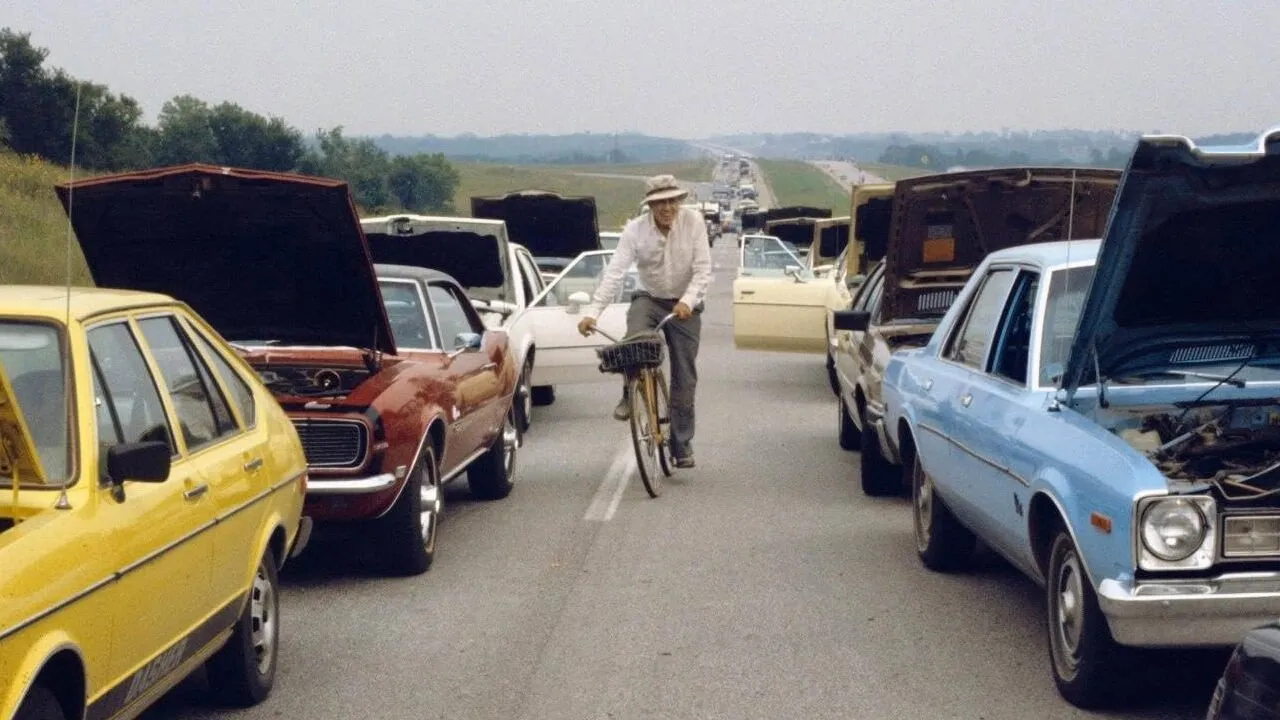
With the full support of the city administration of Lawrence, Kansas, the filmmakers transformed the town for several weeks into the ruins and wastelands left after a nuclear war. Windows were smashed in shops in the city center, burnt-out car shells were placed along the streets, the streets themselves were covered with garbage and debris, and huge tent camps for survivors were set up on the riverbanks. More than 2,000 residents of Lawrence (including students) served as extras, each paid $50 on the condition that he or she shave their head and portray a person dying of radiation sickness. To add authenticity to the footage, the extras were asked not to wash for a while.
Share
The Day After (1983)
 The Day After
1983
The Day After
1983
The Day After
1983