







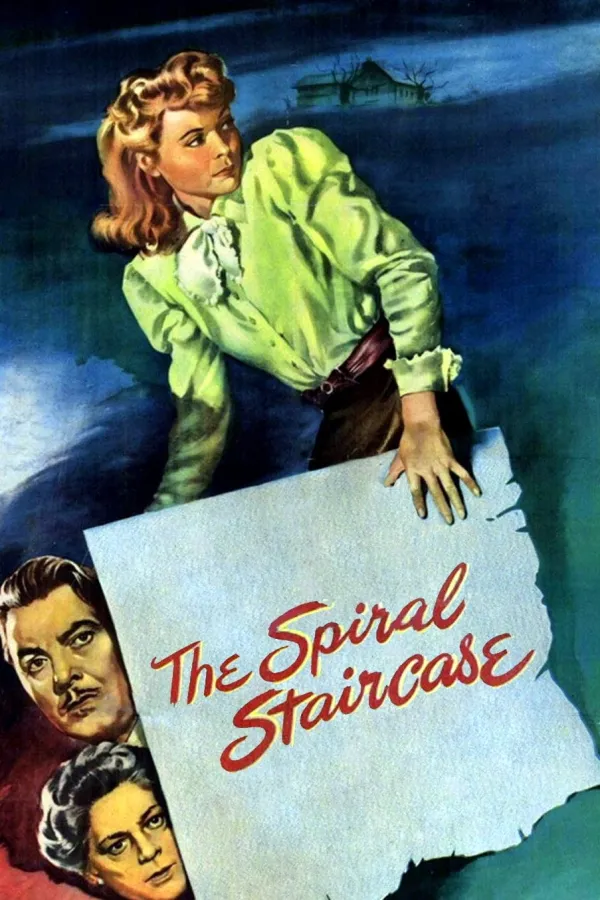
- Best Supporting Actress The Spiral Staircase 1947
Biography
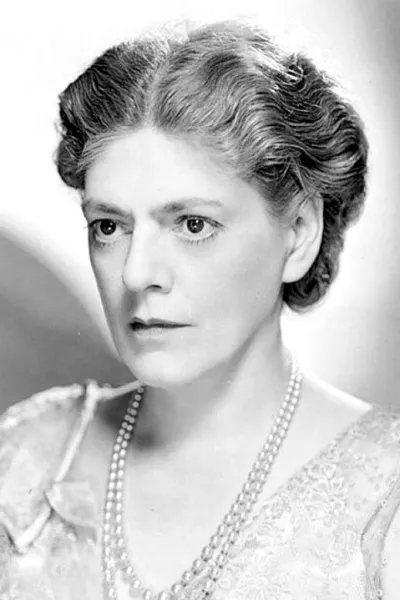
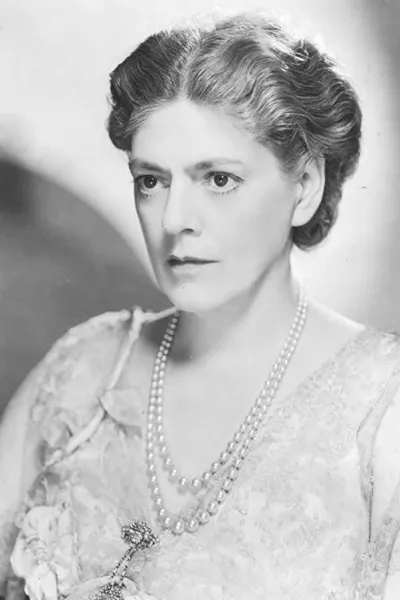
Ethel Barrymore was the second of three children seemingly destined for the acting careers of their parents, Maurice and Georgiana. Maurice Barrymore emigrated from England in 1875 and, after graduating from Cambridge with a law degree, shocked his family by becoming an actor. Georgiana Drew of Philadelphia performed with her parents' theater company. They met and married while members of Augustin Daly's company in New York. Both performed alongside some of the great stage personalities of the American and English theater of the mid-Victorian era. The Barrymore children were born and raised in Philadelphia. Although her older brother Lionel Barrymore began performing early alongside their mother's relatives in the Drew theater company, Ethel, after a traditional girls' education, planned to become a concert pianist.
However, the pull of the stage was perhaps innate. She made her debut as a stage actress in the 1894 New York season. Her youthful stage appearance immediately drew admiration: a strikingly beautiful and attractive face and large dark eyes that seemed to look out from her very soul. Natural talent and a distinctive voice only enhanced the physical charm of a person destined to master any role offered to her. After the opportunity to perform on the London stage with the English great Henry Irving in "The Bells" (1897), and then in "Peter the Great" (1898), she returned to New York to play the lead in Clyde Fitch's play "Captain Jinks of the Horse Marines" (1901) (produced by her friend and patron Charles Frohman), which brought her her first American success. Leading roles such as Nora in Henrik Ibsen's "A Doll's House" (1905), as well as leading roles in "Alice Sit-by-the-Fire" (also 1905), "Mid-Channel" (1910), and "Trelawny of the 'Wells'" (1911), confirmed her popularity as a warm and charismatic star of the American stage. Meanwhile, in 1909 she married stockbroker Russell Griswold Colt and had three children, continuing her acting career.
Although the stage was her first love, she nonetheless answered the call of the silver screen, and although she did not achieve the matinee-idol image that her younger brother John Barrymore gained in silent films after similar chemistry on stage, she won over audiences from her first appearance in the film "The Nightingale" (1914). However, her early film roles, which continued until 1919, took a back seat to further stage triumphs: "The Déclassée" (1919), her passionate Juliet in "Romeo and Juliet" (1922), "The Second Mrs. Tanqueray" (1924), and especially "The Constant Wife" (1926).
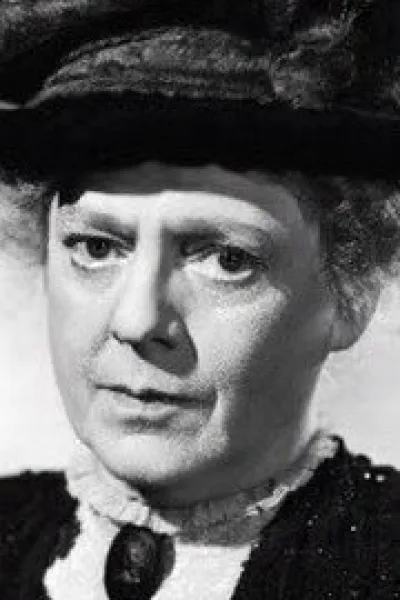
She also used her considerable talents as an activist, being a reliable supporter of the Actors' Equity Association and, in fact, a prominent figure in the 1919 actors' strike. By 1930 she was entering middle age, and her film roles reflected this. Apart from "Rasputin and the Empress" (1932) with her brothers, the roles were elderly mothers and grandmothers, widowed ladies, and old aunts. Perhaps wisely, she put off Hollywood for more than a decade, focusing on stage work that included her most touching role in "The Corn Is Green" (the tour ran from 1940 to 1942). Finally, in 1940 she moved to Southern California.
Filmography
1No films in this section.
Awards & recognition
1 nominations · 1 Award ceremony
Interesting facts
1- 1
Real name is Ethel Mae Blythe.
Family & relationships
Russell Griswold Colt
spouse · Children: 3 · divorced
Frequent collaborators
6
Photos
3