







-
The film quite unexpectedly became very popular in Japan, where audiences were moved by the theme of the destruction of a centuries-old way of life.
-
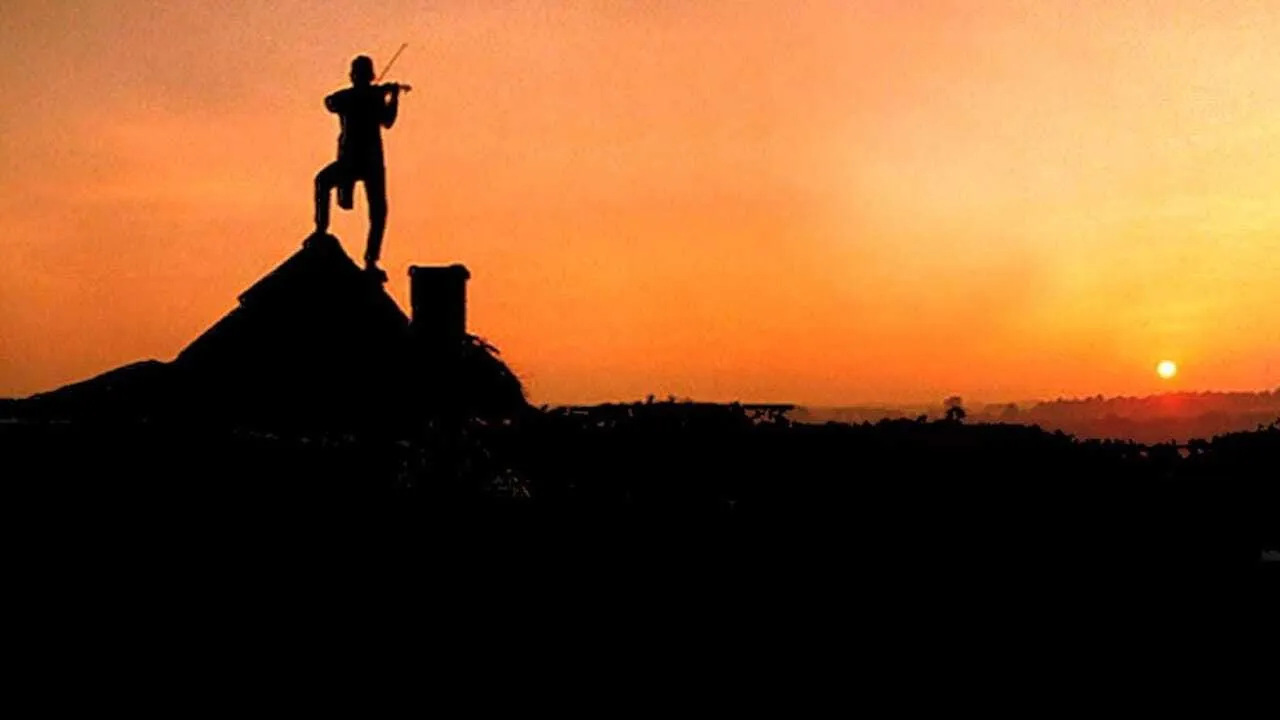
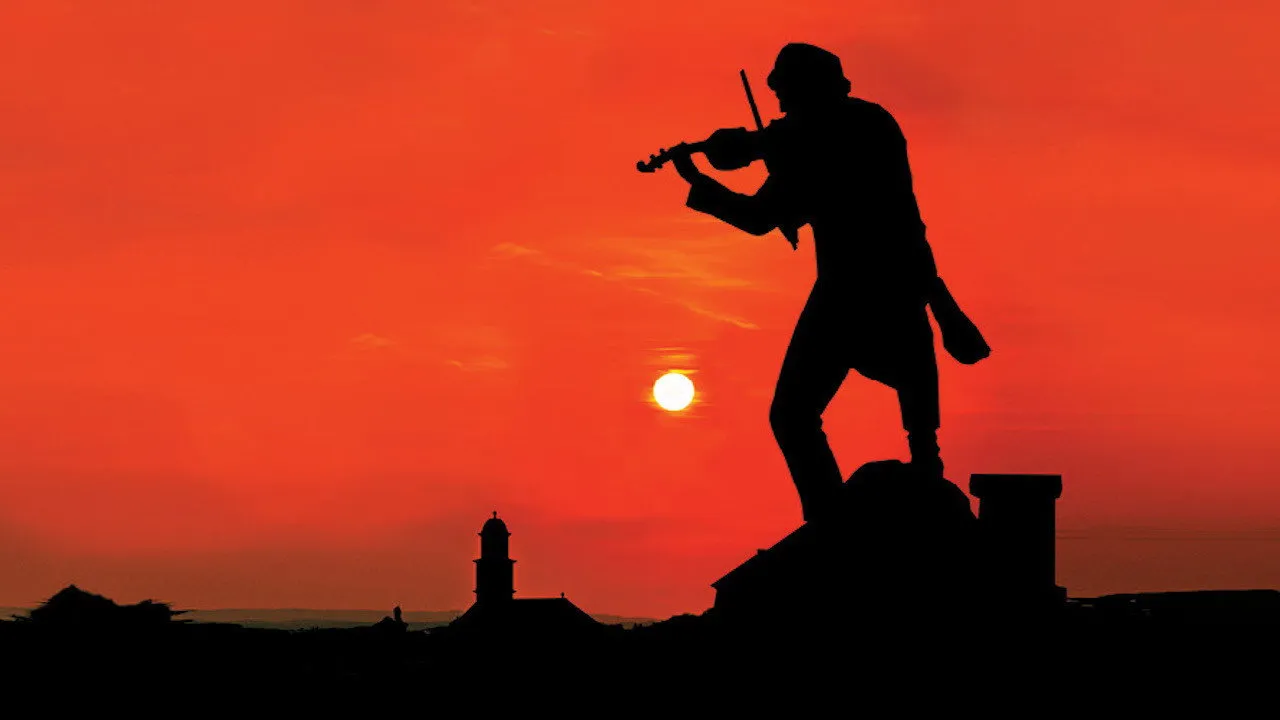
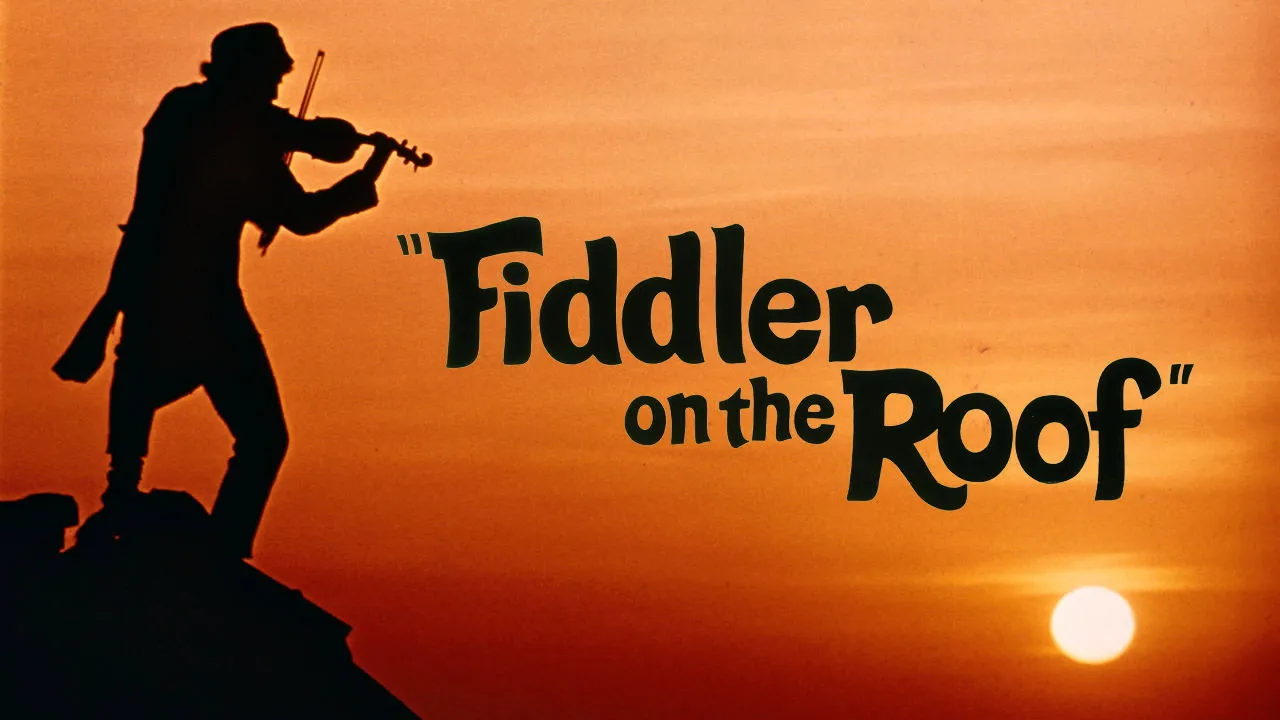
Director Norman Jewison made Tutte Lemkow, the actor playing the violinist, try seven instruments before he found the one that suited him best.
-
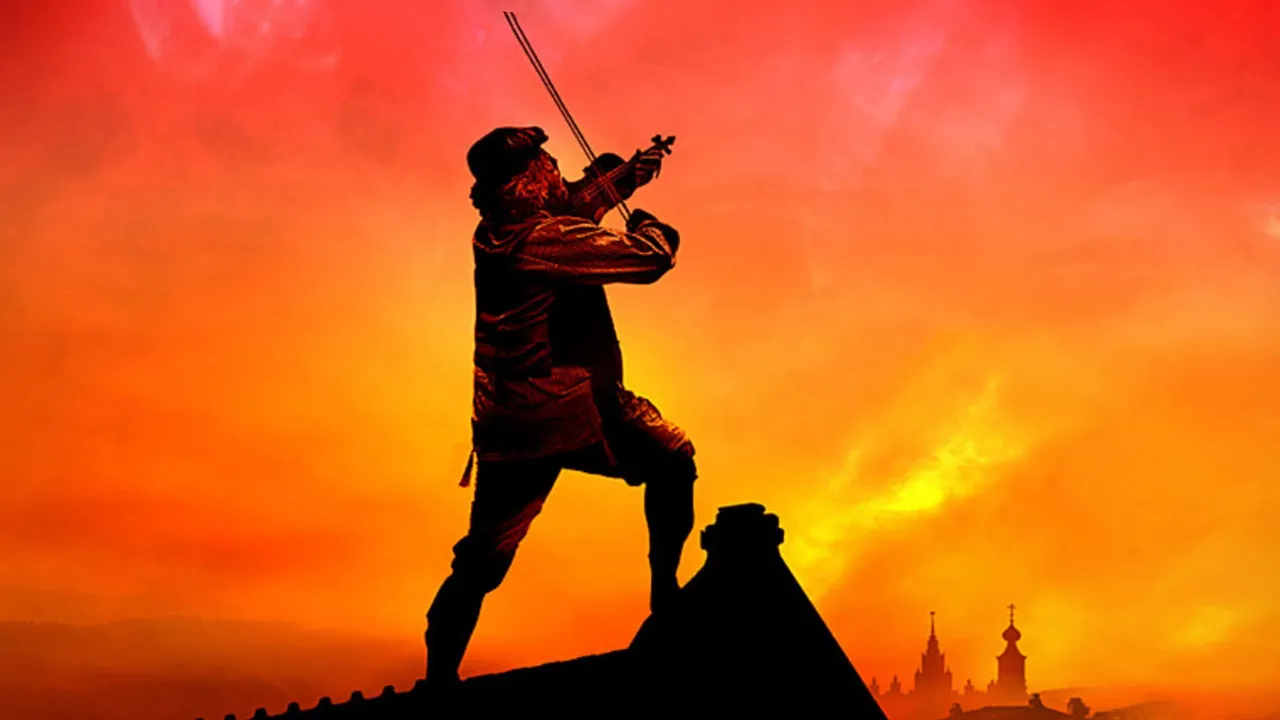
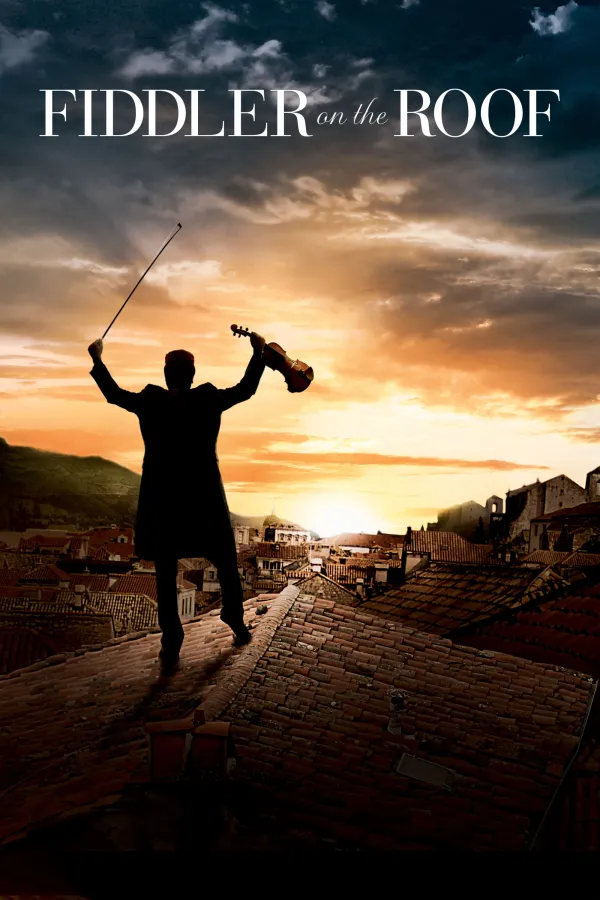
The film owes its title to a painting by Marc Chagall (1887-1985) that depicts a funeral and a man on a rooftop playing the violin.
-
Several times throughout the film, people touch a small box attached to a doorpost. It contains a parchment scroll made from the skin of a kosher animal, bearing part of the text of the Shema prayer (a Jewish liturgical text consisting of four quotations from the Pentateuch; daily recitation of the prayer is prescribed as a commandment in Deuteronomy). The inner side of the scroll bears verses from two parts of the Shema prayer (Deut. 6:4-9 and Deut. 11:13-21). In Jewish homes it is traditionally affixed to the doorpost.
-
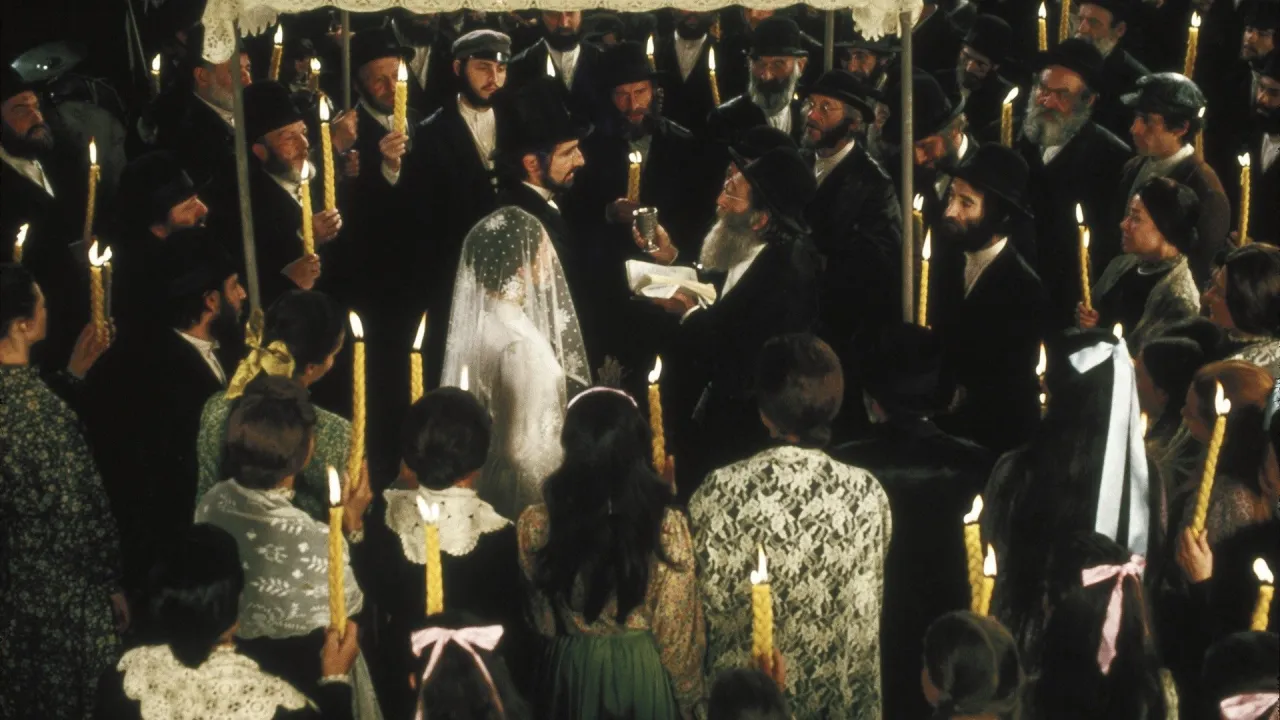
Jewish customs and traditions are depicted in the film with particular care.
-
The crew traveled all over Europe looking for a filming location. Permission to film in the USSR was not granted (the story was set in pre-revolutionary Russia, in Ukraine, south of Kyiv), and the producers ultimately chose Yugoslavia (now Croatia). By 1919, most of the villages there had been destroyed during the Russian Civil War, and hundreds of thousands of Jews had been killed and displaced.
-
The first U.S. television broadcast drew 40 million viewers.
-
Marble dust was used to represent snow.
-
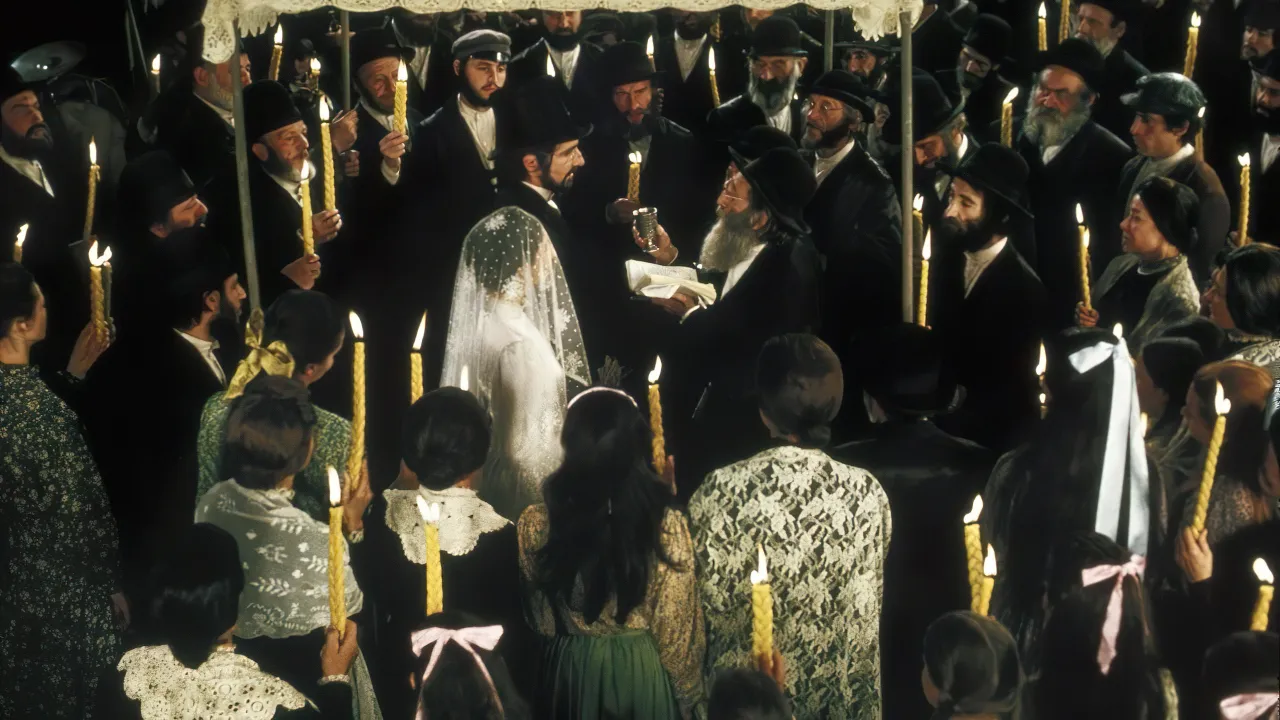
The sunrise and sunset scene used hundreds of candles instead of electric lighting.
-
For greater authenticity, the film's production designer Robert F. Boyle studied the plans of one hundred synagogues that existed in Ukraine at the turn of the 19th and 20th centuries, after which he constructed the one filmed in the movie.
Share
Fiddler on the Roof (1971)
 Fiddler on the Roof
1971
Fiddler on the Roof
1971
Fiddler on the Roof
1971